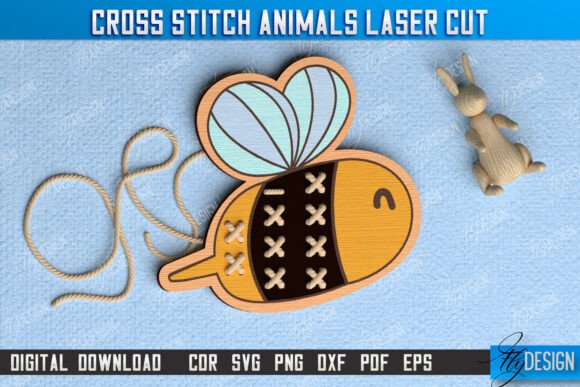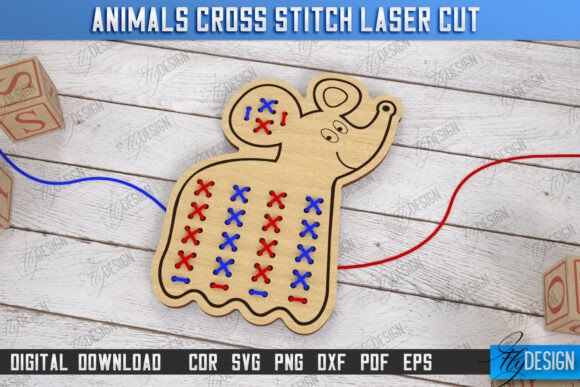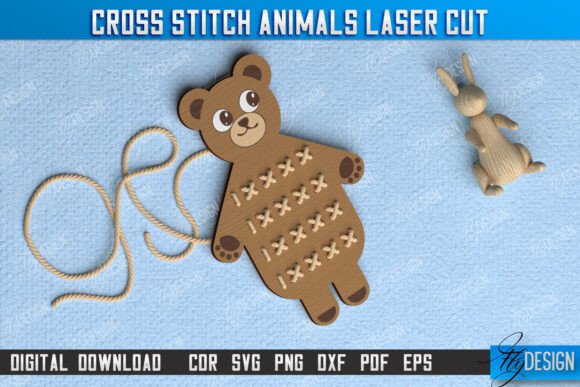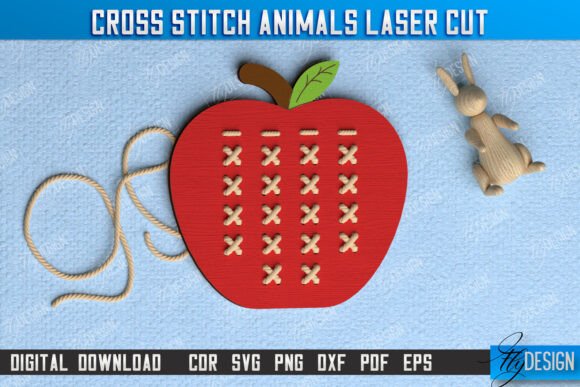
Cross Stitch Penguin Montessori Lacing Review
As an embroidery designer who spends half my life in front of a hoop and the other half setting up booths at weekend craft fairs, I am always on the lookout for designs that bridge the gap between visual appeal and practical production. You can have the most beautiful file in the world, but if it doesn’t sell or is a nightmare to digitize consistently, it’s not worth your time. Recently, I’ve been evaluating the Cross Stitch Penguin Montessori Lacing design, specifically looking at how it translates from a digital asset into a tangible craft fair product. This review breaks down why this specific motif might be the secret weapon for your next handmade market run.
First Impressions: The Aesthetic Appeal
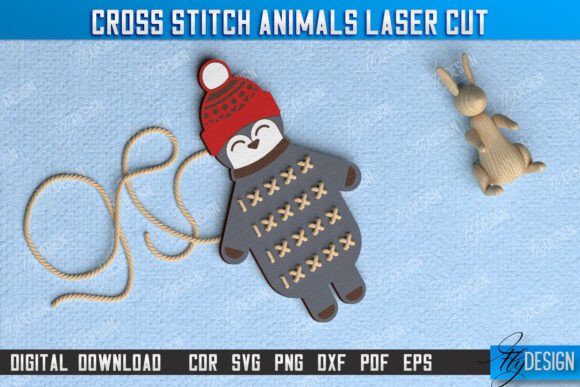
When you first load the Cross Stitch Penguin Montessori Lacing design into your software, the immediate takeaway is its charming simplicity. It strikes a perfect balance between modern minimalism and rustic farmhouse style. For a booth display, where customers are scanning dozens of items in seconds, bold yet cute motifs win every time. The penguin shape is instantly recognizable, and the "cross stitch" aesthetic mimics the look of hand-stitched work, which adds perceived value to what is actually a machine-embroidered piece.
This isn’t just another generic animal clipart; it feels like a premium design asset that suggests quality. The monochromatic or limited palette often associated with cross-stitch styles allows it to blend seamlessly with various color schemes, making it incredibly versatile for different target audiences. Whether you are targeting parents looking for educational toys or decorators seeking whimsical home accents, this design has broad appeal without feeling childish or overly complex.
Product Versatility: Where Does It Shine?
The true test of any embroidery file is its adaptability across different mediums. Here is how the Cross Stitch Penguin Montessori Lacing performs on key products likely to move off your table:
- Tote Bags and Market Bags: This is perhaps the strongest application. Placed centrally on a canvas tote, the design acts as a focal point. It photographs beautifully for your Etsy listings and looks substantial enough to justify a higher price point. The sturdy fabric of a tote bag supports the stitch weight well, ensuring longevity.
- Aprons and Tea Towels: Kitchen items are impulse-buy staples at craft fairs. On a linen tea towel, the design adds a touch of elegance without being too formal. On an apron, it serves as a delightful accent near the pocket. However, be mindful of fabric texture; highly textured towels may obscure fine details, so stick to smoother weaves for the best result.
- Embroidered Patches: If you offer custom patches, this design is ideal. The clean lines of the penguin allow for a neat border, making it easy to iron or sew onto hats, backpacks, or denim jackets. It works exceptionally well as a small accent on a cap, drawing attention to the wearer’s sense of humor or love for animals.
- Pillow Covers and Small Pouches: For larger displays, a pillow cover featuring this design adds softness and coziness to a booth setup. Small fabric pouches for organizing craft supplies or makeup also benefit from the compact nature of the motif, allowing for batch production efficiency.
Production Practicality and Technical Considerations
From a production standpoint, the Cross Stitch Penguin Montessori Lacing offers several advantages. It is designed to be understood at a glance, which means less thread waste on complex shading and more consistent results across multiple units. This repeatability is crucial for commercial embroidery businesses aiming to produce batches quickly.
However, there are technical nuances you must manage. First, check the stitch density. While cross-stitch patterns are generally lightweight, ensure the underlay stitches are sufficient to prevent fabric puckering, especially on thinner materials. Always test the design on scrap fabric before committing to your final product. Pay close attention to the hoop size; if the design is intended for smaller hoops, verify that your machine can handle the placement accurately without shifting.
Another critical factor is thread colors. To maintain the authentic cross-stitch look, consider using variegated threads or high-contrast solids against lighter fabrics. If you are working with dark fabric, you may need a tear-away or cut-away stabilizer to support the stitches and prevent them from sinking into the material. Also, inspect the tiny details; if the penguin’s eyes or feet are too small, they may lose clarity when embroidered on curved surfaces like caps.
Selling Strategy and Customer Engagement
How does this design drive sales? In a physical retail environment, visual storytelling is key. The Cross Stitch Penguin Montessori Lacing lends itself perfectly to interactive displays. Imagine a booth section dedicated to "Montessori-Inspired Gifts." Pairing embroidered tote bags with actual lacing cards or wooden toys creates a cohesive narrative that appeals to conscious consumers.
For online sellers, the design’s clean aesthetic makes it excellent for printable mockups. You can easily visualize how it looks on different backgrounds, helping potential buyers imagine the item in their homes. The charm of the penguin encourages emotional connections, which is a powerful driver for gift purchases. Parents love buying items that are both decorative and functional, and this design hits that sweet spot.
Furthermore, the design’s versatility allows for creative bundling. Sell a matching set of a tea towel and a potholder, or a cap and a patch kit. These bundles increase your average order value while showcasing the design’s adaptability. Remember to highlight the handmade quality in your descriptions, emphasizing the care taken in stitching each piece.
Final Verdict
The Cross Stitch Penguin Montessori Lacing is a strong contender for any small shop product line. It combines aesthetic charm with production efficiency, making it suitable for both one-off commissions and bulk orders. By paying attention to fabric choice, stabilizer selection, and strategic display, you can turn this simple digital file into a standout finished product that customers will love. Just remember to confirm commercial licensing rights before mass-producing, and always prioritize quality control to maintain your brand’s reputation. If executed well, this design could very well become a bestseller at your next craft fair.