Cross Stitch Apple Montessori Lacing Review
As an embroidery designer who spends hours analyzing stitch paths, thread textures, and seasonal market trends, I am always looking for designs that bridge the gap between educational value and aesthetic appeal. Recently, I came across a file titled Cross Stitch Apple Montessori Lacing Developing Game Educational Toy CNC File. At first glance, the description suggests this is intended for laser cutting machines, with specific instructions regarding red cut lines and black engrave lines. However, as someone who frequently adapts digital assets for textile applications, I see significant potential in how this concept could be translated into a machine embroidery design for holiday and seasonal product lines.
The core concept of a cross-stitch style apple combined with lacing elements taps into a very specific emotional trigger for modern parents and gift buyers. It evokes feelings of nostalgia, early childhood development, and cozy autumn vibes. For Etsy sellers, small shop owners, and crafters planning their holiday collections, understanding how to adapt such a design is crucial. While the original file is optimized for CNC and laser cutting, the visual language of "cross stitch" translates beautifully to thread work, offering a rustic, handmade feel that resonates deeply during the fall and winter holidays.
First Impressions: Mood and Aesthetic Appeal
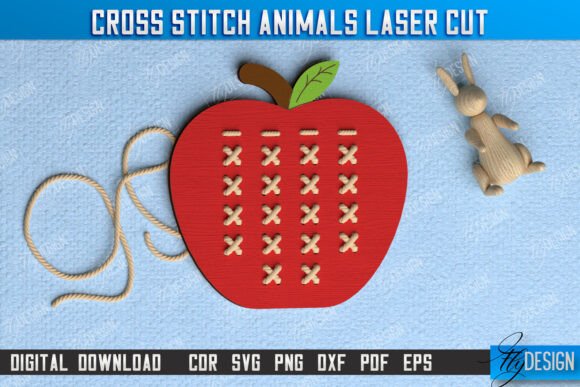
When evaluating any machine embroidery design, the first thing I look for is the mood. Does it fit the season? The Cross Stitch Apple Montessori Lacing concept immediately brings to mind warmth, education, and simplicity. The apple is a universal symbol of learning and health, while the "lacing" aspect suggests interactivity and fine motor skill development. In an embroidered format, this would likely feature a stylized apple with a textured, cross-stitch fill pattern, perhaps accented by a simple stem or leaf detail.
This aesthetic is perfect for seasonal embroidery projects. It feels playful yet elegant, making it suitable for a wide range of products. Unlike overly complex floral arrangements that might feel dated quickly, this design has a timeless quality. It appeals to the "hygge" trend—cozy, comfortable, and home-centered. For holiday embroidery specifically, an apple motif can be subtly integrated into broader themes like Thanksgiving gratitude, back-to-school preparations, or even as a charming accent on Christmas stockings if paired with appropriate colors like deep reds and forest greens.
Real-World Application for Holiday Sellers
Imagine building a seasonal collection for your Etsy seller shop. How does this design perform in real selling situations? The versatility of the apple motif allows it to be placed on various items that are popular during the gifting season.
- Sweatshirt Embroidery: A small, well-placed apple design on the chest of a crewneck sweatshirt creates an instant favorite for moms and teachers. It is understated but meaningful, perfect for personalized gift opportunities where you might add a child’s name or school year.
- Tote Bag Design: Canvas tote bags are staples at craft fairs and online stores. An embroidered apple with a lacing-inspired border adds texture and interest. This works exceptionally well for small shop product drops aimed at students and educators.
- Kitchen Towel Embroidery: During the holiday baking season, kitchen linens are high-demand items. A cross-stitch style apple on a flour sack towel combines utility with decor. The thread texture mimics the fabric weave, creating a cohesive look.
- Pillow Cover and Home Decor: For larger items, the design can be scaled up. A throw pillow featuring this motif fits perfectly in living rooms decorated for autumn. It adds a touch of handmade gift charm that mass-produced items lack.
- Embroidered Patch: Creating detachable patches from this design allows customers to customize their own jackets or bags. Patches are highly shareable on social media, providing free marketing for your brand through user-generated content.
Additionally, this design lends itself well to printable mockup strategies. You can showcase the design on digital representations of aprons, table linens, and baby bibs before committing to physical production. This helps gauge customer interest without inventory risk.
Strategic Placement and Cautionary Notes
While the design is promising, there are technical considerations every embroidery file buyer must address. Not all fabrics behave the same way under the needle. When adapting a design originally meant for laser cutting into embroidery, you must consider the following:
- Stitch Density: Ensure the stitch density is appropriate for the fabric. If the design is too dense, it may pucker thin materials like muslin or stretchy garments. Conversely, if it is too sparse, it may not hold its shape on thicker towels.
- Hoop Size: Confirm the hoop size required for the final digitized version. Complex details might get lost if the design is reduced too much for small hoops.
- Fabric Texture: The cross-stitch effect relies on contrast. On dark fabrics, using lighter thread colors will make the design pop, but you may need a different stabilizer choice to prevent show-through.
- Small Details: Be cautious with tiny lettering or intricate lacing lines. These can become muddy if the resolution is low or if the wrong needle size is used. Always review small details after stitching a test sample.
Enhancing Seasonal Appeal and Customer Trust
Incorporating this design into your lineup does more than just add a new item; it enhances your brand consistency. Customers trust brands that offer thoughtful, educational, and aesthetically pleasing products. By choosing a design that supports child development (Montessori principles) while looking beautiful, you signal to buyers that you care about quality and purpose.
This approach boosts customer trust and engagement. During holiday shopping periods, shoppers are looking for gifts that have meaning. A product that combines art, education, and utility stands out. It encourages social media previews because the unique combination of "apple" and "lacing" is visually interesting. When customers see a finished product, they can visualize it in their homes, increasing the likelihood of conversion.
Practical Designer Notes for Success
To ensure your commercial embroidery efforts are successful, follow these practical steps:
- Test Thread Colors: Before mass producing, test various thread colors on both light and dark fabrics. Red apples look different on cream linen than they do on navy blue cotton.
- Use Proper Stabilizer: The choice of stabilizer can make or break the finish. Cut-away stabilizers are generally best for garments like sweatshirt embroidery, while tear-away may suffice for lightweight totes.
- Create Realistic Mockups: Use high-quality images to display how the design looks in context. Show the texture of the threads against the fabric texture.
- Confirm Licensing: Most importantly, verify the commercial licensing terms. Since the source material mentions CNC and laser cutting, ensure you have the right to digitize and sell embroidered versions. Do not assume that a file purchased for one purpose grants rights for another.
In conclusion, while the Cross Stitch Apple Montessori Lacing Developing Game Educational Toy CNC File is technically described for laser cutting, its visual potential for the textile industry is undeniable. By carefully digitizing and testing this design, you can create a versatile addition to your digital embroidery file library. It offers a unique blend of educational sentiment and seasonal charm, perfect for apparel decorators and handmade gift makers looking to capture the heart of the holiday shopper. Whether used on a simple tote bag or a detailed pillow cover, this design has the power to elevate your seasonal offerings and connect with customers who value craftsmanship and meaning.