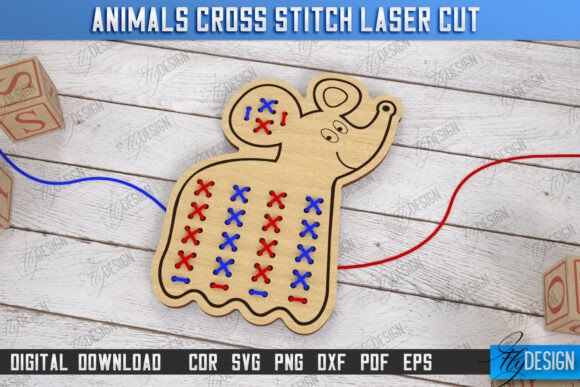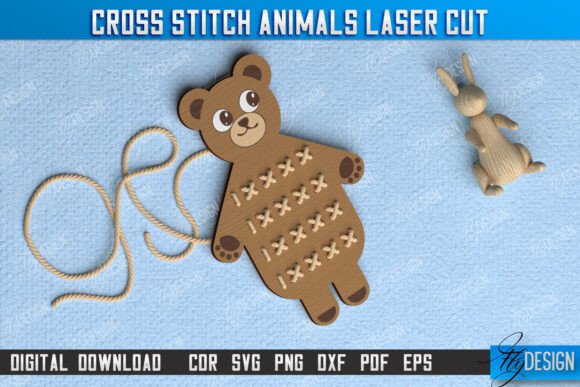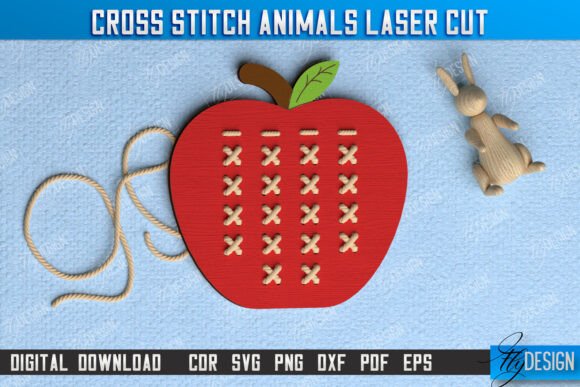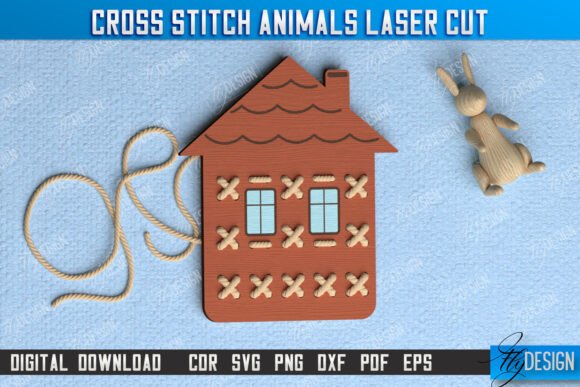
Cross Stitch Bee Montessori Lacing CNC Review
As an embroidery designer who spends most of my days balancing stitch counts and fabric tension, I am always on the lookout for designs that bring a unique texture to our boutique collections. Recently, I came across the Cross Stitch Bee Montessori Lacing CNC file on Creative Fabrica. At first glance, the categorization under "Other Toys Games" and its designation as a laser cutting file might seem disconnected from traditional machine embroidery. However, when you look closer at the visual potential, this design offers a fascinating bridge between tactile play and wearable art.
I have been planning a new line of cozy sweatshirts and pastel hoodies for our online shop, and I wanted to see how this specific aesthetic would translate onto apparel. The concept of a "lacing" game usually implies a physical toy with holes and string, but in the context of digital design files, it often suggests a pattern that mimics the look of cross-stitch or woven textures. This review explores how we can adapt this creative spark into a commercial embroidery product.
Visual Personality and Design Mood
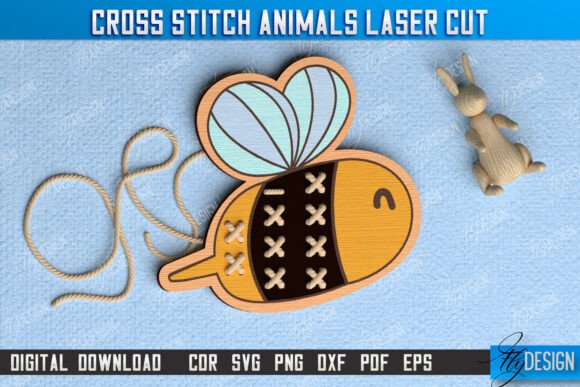
The immediate impression of the Cross Stitch Bee Montessori Lacing CNC design is one of playful minimalism. Bees are a staple in modern cottage-core and nature-inspired aesthetics, which are currently dominating the handmade market. The "montessori lacing" aspect suggests a design that relies on simple geometric lines rather than complex shading. For an embroidery designer, this is highly appealing because it promises clean lines and high contrast.
When imagining this on a neutral oatmeal-colored sweatshirt, the design feels premium yet approachable. It avoids the cluttered look of overly detailed floral patterns, offering instead a bold, graphic statement. The mood is definitely cute and feminine, but with a rustic edge that appeals to parents looking for educational themes in their children's clothing. It feels trendy without being fleeting, making it a safe bet for a small brand trying to establish a consistent visual identity.
Applying the Design to Apparel Projects
Translating a laser-cut style vector into a machine embroidery design requires some creative interpretation. Here is how I envision using this asset across different garment types:
- Sweatshirt Embroidery: Placed centrally on the chest, the bee motif serves as a focal point. The lacing lines mimic the look of heavy thread work, adding depth to soft cotton fleece. It elevates a basic hoodie into a statement piece.
- Hoodie Chest Placement: A smaller version works perfectly above the heart. This placement is subtle enough for daily wear but distinct enough to be noticed in lifestyle product photos.
- Sleeve Accents: Running a vertical strip of the lacing pattern down the side seam of a sleeve adds a dynamic, sporty touch. This is great for oversized garments where the silhouette needs visual interest.
- Back Designs: For a more dramatic look, scaling the design up for the upper back creates a gallery-wall effect. This works well for matching parent-child sets, a popular category for Etsy sellers.
- Tote Bags: While not apparel, this design translates beautifully to canvas tote bags. The sturdy fabric holds up well to the dense stitching required to mimic the "lacing" effect.
For digital sellers, creating printable mockups with this design is straightforward. The clean lines reproduce well in digital graphics, allowing you to showcase the Cross Stitch Bee Montessori Lacing CNC on various backgrounds before producing physical inventory.
Strategic Branding Benefits
Using unique assets like this helps differentiate your custom apparel from mass-produced items found on big retail sites. When customers see a specialized design that aligns with educational or nature-focused values, it builds trust. It signals that your small shop product is curated with care. Furthermore, visual consistency across your collection—using similar thematic elements like bees or lacing patterns—helps with brand recognition on social media platforms like Instagram and Pinterest.
Practical Considerations and Potential Pitfalls
While the design has strong potential, there are technical challenges to consider when moving from a digital file to a finished product. Since the source material is categorized under laser cutting, it may lack the inherent digitization data (stitch types, jump stitches) required for direct embroidery machine use. You may need to trace or convert the vectors into an embroidery format.
Here are critical areas to watch out for during production:
- Dense Stitch Areas: If the "lacing" lines are very close together, they may create a thick, stiff patch on the fabric. This can be uncomfortable on the neck or chest area of a child’s garment.
- Fabric Texture: Fleece and ribbed fabrics can distort fine details. Always test on scrap pieces of the actual garment fabric to ensure the design does not pucker or lose definition.
- Stretchy Fabric: Avoid placing rigid, dense designs over high-stretch areas like the center front of a jersey t-shirt unless you use a strong tear-away stabilizer.
- Dark Garments: Ensure you have high-contrast thread colors available. A light beige bee on a black hoodie will disappear; you will need white or metallic threads to make the design pop.
- Curved Surfaces: Applying flat designs to curved surfaces like shoulders or knees requires careful hooping. Misalignment here can ruin the professional presentation of the item.
Designer Notes for Production
Before committing to a full run of these sweatshirts, I recommend following these steps to ensure quality control:
- Test on Scrap Fabric: Never assume a design will work on the final material. Run a sample on the exact fabric weight and type you plan to sell.
- Check Stabilizer Choice: Depending on the density of the converted design, you may need cut-away stabilizer for durability, especially if the garment will undergo frequent washing.
- Review Thread Color Contrast: Select threads that complement the natural tones of the bee theme. Earth tones, yellows, and blacks work best, but don’t be afraid to try pastels for a softer look.
- Confirm Hoop Size: Ensure the final digitized file fits within your machine’s hoop limits. If the design is large, you may need to split it or resize it.
- Inspect Stitch Density: High density looks premium but can feel scratchy. Adjust the stitch count to balance visual impact with wearer comfort.
Finally, please check the Creative Fabrica product details and licensing agreements carefully. Even though this is listed under laser cutting, you must confirm whether you have the right to use the design for commercial embroidery products. Some licenses restrict usage to physical crafts only, while others allow for digital resale or printed goods. Clarifying this prevents legal issues and protects your commercial embroidery business.
In conclusion, the Cross Stitch Bee Montessori Lacing CNC file offers a fresh take on a classic motif. By treating it as a source of inspiration for a custom embroidery design, you can create a cohesive, high-quality collection that resonates with today’s buyers. With careful testing and thoughtful application, this design can become a standout piece in your handmade product lineup.