Cross Stitch House Montessori Lacing: A Designer’s Review for Small Business Merch
As an embroidery designer who has spent years translating digital concepts into tangible, stitched reality, I approach every new design file with a mix of excitement and skepticism. When Cross Stitch House Montessori Lacing landed in my inbox, my first thought wasn’t about the aesthetic alone—it was about its viability as a commercial asset. For small business owners, Etsy sellers, and brand creators, the difference between a pretty picture and a profitable product often lies in the technical execution and the emotional resonance of the design. This review breaks down how this specific piece fits into the world of branded merchandise, embroidered patches, and custom apparel.
First Impressions: The Handmade Premium Feel
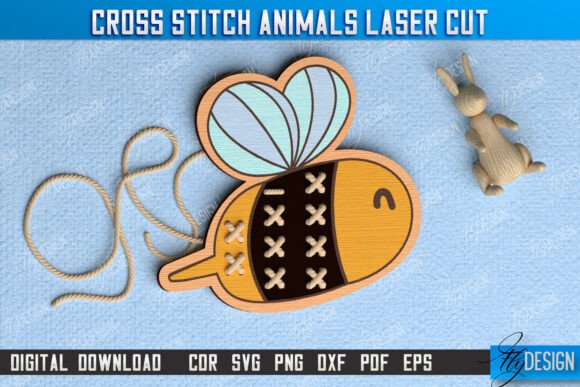
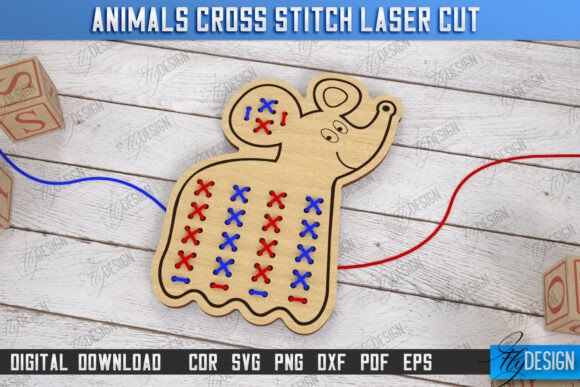
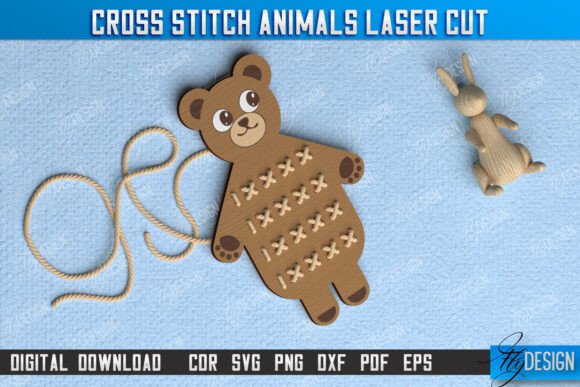
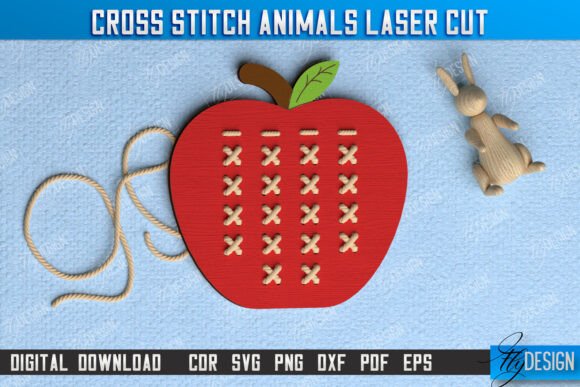
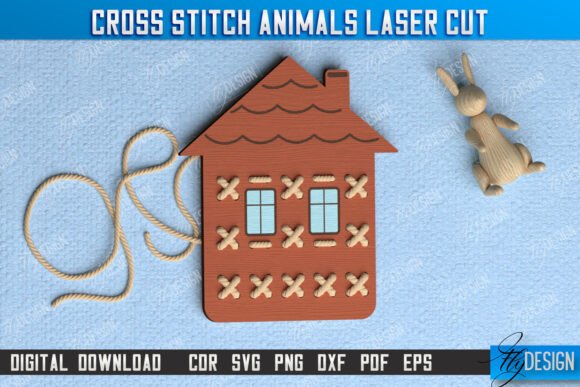
The title Cross Stitch House Montessori Lacing immediately suggests a blend of rustic charm and educational intent. From a visual standpoint, it evokes a sense of warmth, nostalgia, and tactile quality. In the current market, consumers are gravitating toward brands that feel authentic and human-made rather than sterile or mass-produced. This design captures that "handmade" aesthetic perfectly. It feels friendly yet professional, striking a balance that is crucial for businesses aiming to build trust with their audience.
For a boutique shop, a creative studio, or a handmade brand, this design offers a versatile visual identity. It isn’t overly bold or aggressive; instead, it whispers elegance and care. This subtlety makes it an excellent candidate for subtle branding elements, such as a chest logo accent on a work shirt or a delicate mark on a tote bag. However, because it mimics cross-stitch, it relies heavily on thread texture and color contrast to shine, which requires careful consideration during the digitizing and production phases.
Real-World Applications for Small Business Merch
One of the most compelling aspects of Cross Stitch House Montessori Lacing is its adaptability across various product categories. Let’s look at how this machine embroidery design can be leveraged in real business scenarios:
- Embroidered Patches: This design translates beautifully into iron-on or sew-on patches. For crafters selling at markets or online, these patches can serve as standalone products or add-ons. They work particularly well for children’s accessories, school supplies, or as decorative elements on denim jackets and backpacks.
- Staff Uniforms and Aprons: Imagine a local bakery, a cozy café, or a florist shop using this design on high-quality canvas aprons. The "House" aspect of the title lends itself well to hospitality brands. Placed on the chest pocket, it signals attention to detail and a commitment to traditional craftsmanship, enhancing customer trust and perceived professionalism.
- Tote Bag Design: Canvas totes are a staple for eco-conscious brands. This design adds a touch of whimsy without overwhelming the simple utility of the bag. It appeals to parents, educators, and anyone interested in Montessori principles, making it a targeted hit for niche audiences.
- Cap Embroidery: For a smaller, more focused application, this design can be scaled down for the front panel of a cap. However, due to the intricate nature of lacing details, scaling must be done carefully to maintain legibility.
- Product Packaging Accents: Beyond apparel, this digital embroidery file can be used to create labels for handmade goods. A small stitched label inside a handmade toy box or a knitted blanket elevates the unboxing experience and reinforces brand identity.
Strategic Use Cases for Specific Industries
Consider a pet brand looking to differentiate itself. A Cross Stitch House Montessori Lacing patch on a dog collar or a bandana could appeal to owners who value education and gentle parenting styles. Similarly, a stationery brand might use this design on notebooks or planners aimed at teachers or homeschooling parents. The versatility allows it to transcend its original category of Other Toys Games and become a broader lifestyle symbol.
Where to Exercise Caution: Technical Limitations
While the aesthetic appeal is strong, no design is perfect for every application. As a designer, I must highlight several areas where Cross Stitch House Montessori Lacing requires careful handling to avoid production failures or poor aesthetics.
Small Patch Sizes and Cap Fronts: If you plan to produce tiny patches (under 2 inches) or embroider directly onto the curved front of a cap, you must scrutinize the fine details. Cross-stitch patterns rely on distinct blocks of color. If the design is too small, these blocks may merge, resulting in a muddy, indistinct image. Always test the design at the intended final size before committing to bulk production.
High Stitch Density and Thread Colors: The "lacing" element implies intricate lines. If the digitization results in high stitch density, the fabric may pucker, especially on lightweight materials like thin cotton tees or sheer fabrics. Additionally, ensure there is sufficient contrast between thread colors. On dark uniforms or black tote bags, light-colored cross-stitch details may get lost unless underlay stitches are properly configured.
Fabric Texture and Washing: Textured fabrics like heavy wool or bouclé can hide the precision of the stitching. Furthermore, items that undergo frequent washing, such as staff aprons or baby clothes, need robust construction. The lacing details should be reinforced with proper stabilizers to prevent fraying or distortion over time. Always confirm the durability of the finish by washing test samples multiple times.
Impact on Brand Identity and Customer Trust
In the crowded marketplace of small business merch, visual consistency is key. Using a cohesive design language helps customers recognize your brand instantly. Cross Stitch House Montessori Lacing contributes to a brand identity that values heritage, education, and care. It signals to the buyer that you pay attention to the little things—a psychological trigger that increases perceived product value.
When a customer sees this design on a product, they associate it with the qualities of the design itself: patience, skill, and tradition. This emotional connection fosters loyalty. For example, a parent buying a Montessori-inspired toy with this embroidered tag is likely to feel more confident in the product’s quality and safety. The design acts as a silent ambassador for your brand’s values.
Practical Notes for Embroidery Designers and Producers
Before incorporating Cross Stitch House Montessori Lacing into your commercial workflow, follow these essential steps to ensure a successful outcome:
- Test in Black and White First: Remove color distractions and evaluate the composition. Does the silhouette hold up? Are the negative spaces balanced?
- Check Hoop Size and Scalability: Confirm the maximum hoop size required. If the design exceeds standard hoops, consider splitting it or choosing a different placement strategy.
- Review Thread Color Contrast: Select thread colors that pop against your target fabric. Light threads on dark fabric often require a contrasting underlay to prevent show-through.
- Inspect Spacing and Density: Zoom in on the lacing details. Are the stitches too close together, risking needle breaks? Is there enough breathing room for the eye to appreciate the pattern?
- Test on Real Fabric: Never trust a screen preview alone. Stitch the design on the actual fabric type you plan to sell. Check for puckering, thread tension issues, and overall hand-feel.
- Use Proper Stabilizer: Choose the right stabilizer (cut-away for stretchy fabrics, tear-away for wovens) to support the design structure.
- Create a Printable Mockup: Before producing physical samples, generate a realistic mockup for client approval or marketing purposes. This saves time and resources.
- Confirm Commercial Licensing: Most importantly, verify that you have the legal right to use this embroidery file for commercial purposes. Ensure the license covers the types of products you intend to sell, including limited editions and seasonal runs.
Final Thoughts
Cross Stitch House Montessori Lacing is more than just a decorative motif; it is a strategic tool for building a premium, trustworthy brand presence. Whether you are creating custom apparel, branded patches, or unique gift items, this design offers a charming and professional aesthetic. By paying attention to the technical details—stitch density, fabric choice, and licensing—you can transform this digital asset into a tangible success story for your small business. Remember, the best embroidery designs are those that not only look good but also stand the test of time and use.