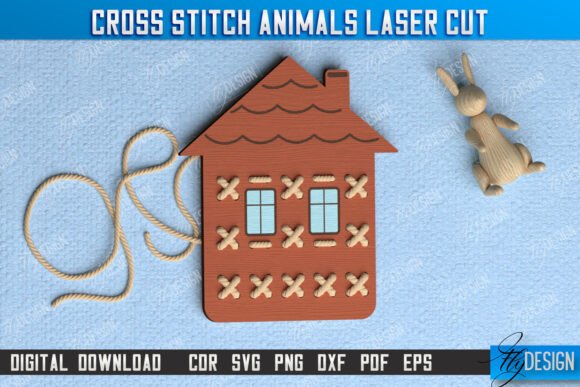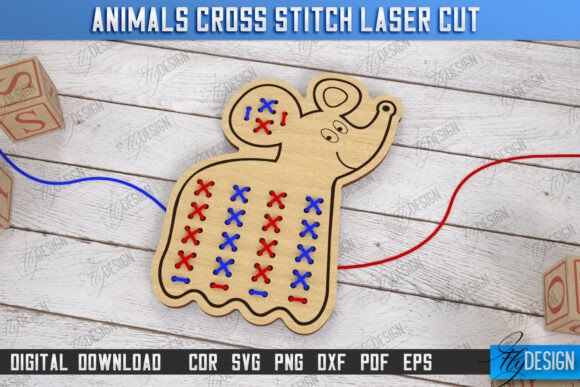
Cross Stitch Laser Cut Montessori Lacing Review
As an embroidery designer who spends weekends manning craft fair booths and managing an online handmade shop, I am constantly on the lookout for designs that do more than just fill space. They need to stop a browser in their tracks and compel a buyer to pick up a product. Recently, I evaluated a design titled Cross Stitch Laser Cut Montessori Lacing. At first glance, the title suggests a hybrid of traditional stitching aesthetics and modern digital fabrication. But does it actually work as a viable craft fair product? After testing various applications, from tote bags to small pouches, here is my professional review.
First Impressions: Visual Appeal and Market Fit
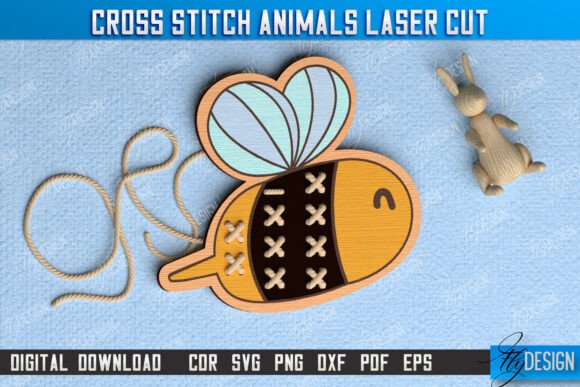
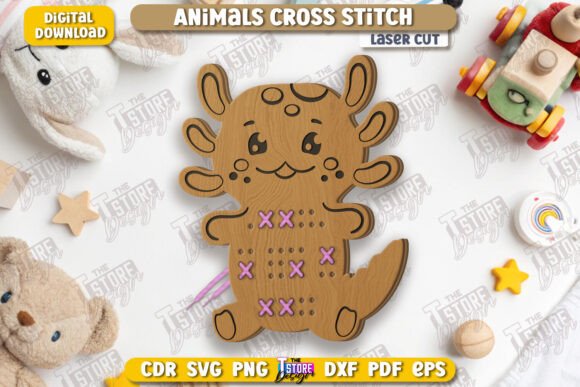
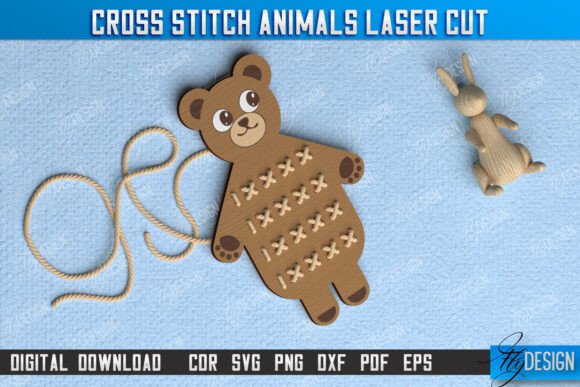
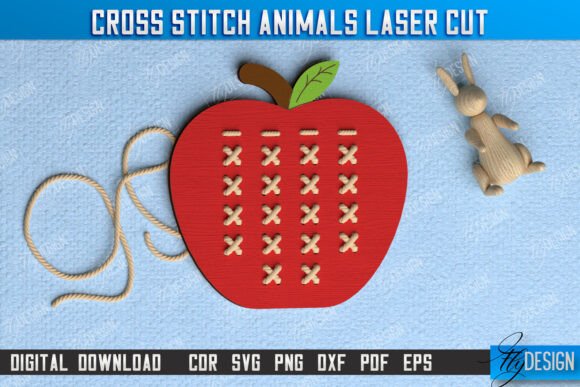
The name Cross Stitch Laser Cut Montessori Lacing implies a specific aesthetic: clean lines, educational intent, and a tactile quality. In the world of handmade goods, "Montessori" signals developmental value, which is a powerful selling point for parents shopping at weekend markets. The visual style appears to blend the charm of cross-stitch patterns with the precision of laser-cut elements. This combination feels both rustic and modern, fitting seamlessly into current trends for farmhouse decor and educational toys.
For an Etsy seller or boutique maker, this duality is crucial. It looks premium enough to command a higher price point but remains approachable and cute. The design likely features distinct shapes that photograph well, creating high-contrast images for online listings. When you see a product that balances intricate detail with clear silhouettes, you know it has the potential to be a bestseller. It stands out against the sea of generic floral prints often seen at craft fairs.
Application on Core Products
One of the most critical questions for any machine embroidery design is versatility. Can this single file work across multiple items? My experience suggests that Cross Stitch Laser Cut Montessori Lacing performs exceptionally well on structured fabrics where stability is key.
- Tote Bags: A classic tote bag design benefits from the bold nature of this artwork. Placed centrally on a canvas bag, the lacing theme reinforces the idea of playfulness and utility. The contrast between the soft fabric and the crisp, potentially laser-cut or dense embroidered outline creates a sophisticated look.
- Aprons and Tea Towels: For kitchen-focused items, this design adds a touch of whimsy. Tea towel embroidery allows the full pattern to breathe, making it an ideal gift item. The educational aspect appeals to new parents looking for functional yet charming home goods.
- Embroidered Patches and Caps: If the design includes defined borders, it translates beautifully into an embroidered patch. These are high-margin items at craft fairs. On caps, the curved surface can distort fine details, so placement must be strategic. However, if the design relies on strong outlines, it maintains its integrity even on a baseball cap.
- Fabric Pouches and Pillow Covers: Small pouches offer a lower price point entry for customers, increasing impulse buys. The Cross Stitch Laser Cut Montessori Lacing motif fits perfectly inside a zippered pouch used for organizing craft supplies or baby essentials. Similarly, on pillow covers, it serves as a decorative focal point without overwhelming the textile.
Production Practicality and Batch Efficiency
From a production standpoint, efficiency is money. I looked closely at how easy this design is to understand at a glance during hooping. Designs with clear start points and logical flow reduce errors and speed up turnaround time. The "laser cut" aspect mentioned in the title might imply that parts of the design could be physically cut from felt or cardstock and then attached, or it may refer to the visual style mimicking precise cuts. Either way, this adds a layer of texture that elevates the handmade product.
Is it repeatable? Yes. The geometric or patterned nature of lacing themes tends to be modular, making it suitable for batch production. You can hoop and stitch multiple units quickly once your workflow is established. This consistency is vital for maintaining brand consistency across your inventory. Whether you are selling ten items or one hundred, the quality should remain uniform.
Photography and Online Presentation
In the digital age, your printable mockup is your storefront. This design photographs well because of its inherent structure. The lacing lines create leading eyes that guide the viewer’s gaze across the image. When listing this as a small shop product, ensure your photos highlight the texture. Close-ups of the stitch work or the laser-cut edges will help justify the craftsmanship involved. Use natural light to capture the true colors of the thread colors you choose.
Careful-Use Notes and Technical Considerations
While the design shows promise, no embroidery project is without its pitfalls. As an experienced designer, I must advise caution regarding several technical factors.
- Stitch Density and Fabric Texture: Check the stitch density carefully. If the design is too dense, it may pucker lightweight fabrics like thin cotton tea towels. Conversely, if it is too sparse, it may lack the durability needed for a child’s toy. Always test on scrap fabric that matches the weight and texture of your final product.
- Small Details and Clarity: Evaluate the smallest elements of the design. Tiny details often get lost when digitized or stitched on curved surfaces like caps. If the lacing threads are represented by very thin stitches, they may break or tangle. Ensure the design retains clarity at the intended size.
- Hoop Size and Stability: Confirm the required hoop size. Large designs require larger hoops, which limits the types of garments you can embroider. Additionally, using the right stabilizer is non-negotiable. For woven fabrics, tear-away stabilizer works well; for knits or stretchy materials, cut-away may be necessary to prevent distortion over time.
- Thread Contrast: Choose thread colors that provide sufficient contrast against your base fabric. Dark fabrics can swallow up lighter thread shades, while white fabric can make pastel designs disappear. Test at least three color combinations before committing to a large batch.
Commercial Licensing and Final Verdict
Before adding Cross Stitch Laser Cut Montessori Lacing to your commercial lineup, verify the licensing terms. Many digital files come with personal-use-only restrictions. If you plan to sell finished products, you need a commercial embroidery license. This protects your business and ensures ethical use of the artist’s work. Do not assume that purchasing the file grants you the right to sell physical items derived from it.
Ultimately, this design bridges the gap between educational value and aesthetic appeal. It resonates with the target demographic of craft fair shoppers—parents and educators who appreciate quality, safety, and beauty. By addressing the technical challenges through proper testing and preparation, you can turn this digital embroidery file into a profitable line of finished products.
I recommend starting with a small run of design assets to gauge customer response. Create a booth display that showcases the versatility of the design across different mediums. Let the tactile nature of the lacing theme invite interaction. Customers love to touch and feel handmade goods, and this design offers a perfect opportunity for engagement. With careful execution, Cross Stitch Laser Cut Montessori Lacing can become a standout item in your portfolio, driving sales and building brand loyalty.