Cross Stitch Cow Montessori Lacing Review
As an embroidery designer who spends weekends hunched over my hoop at craft fairs, I have learned one hard truth: customers do not buy files; they buy the finished product. When I see a digital asset labeled as Cross Stitch Cow Montessori Lacing, my first instinct is not to think about the code or the vector lines. My mind goes straight to the booth table. I imagine how this design will look stitched onto a natural linen apron or how it might catch the eye of a parent looking for an educational toy that doubles as decor.
This review is based on real-world production experience. We are evaluating whether this specific design has the potential to be a bestseller in a handmade shop, whether it translates well from a digital file to a physical object, and what practical challenges you might face when turning this into a craft fair product. The source description mentions it is part of a set involving CNC files where red lines indicate cut paths and black lines indicate engrave paths. This suggests a hybrid approach—perhaps combining laser-cut wood with embroidered fabric—which adds a layer of complexity but also a unique selling point for boutique makers.
First Impressions and Visual Appeal
The title Cross Stitch Cow Montessori Lacing immediately sets a tone. It feels rustic, soft, and intentionally simple. In the world of machine embroidery design, "cross stitch" usually implies a textured, tactile look that mimics handwork. For a handmade product, this texture is invaluable. It reads as premium and artisanal, which justifies a higher price point at a market stall.
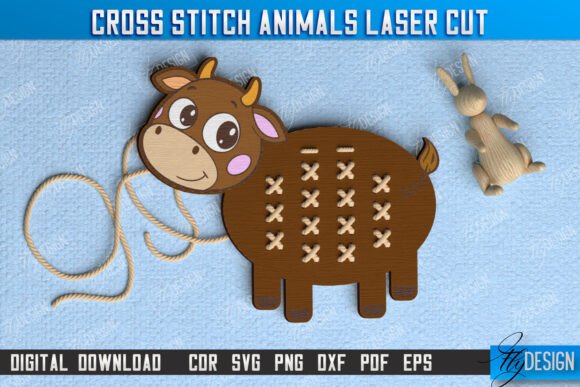
The concept of "Montessori Lacing" suggests interactivity. If this design includes holes or loops for threading, it transforms from a passive image into an active toy. This is crucial for Etsy seller success because interactive items generate longer engagement times. Parents stop to watch their children thread the cow’s spots. That pause at the booth is where the sale happens. Visually, a cow motif leans heavily into farmhouse and modern rustic aesthetics. It is not overly cute or cartoonish; it feels grounded. This makes it versatile enough to fit into a nursery theme that values organic shapes and neutral palettes.
Product Applications and Market Fit
Where does Cross Stitch Cow Montessori Lacing shine? Based on its structure, it is not just a flat patch. It is a functional item. Here is how it performs across various small shop product categories:
- Tote Bag Design: A sturdy canvas tote featuring this lacing cow as a central focal point is a strong contender. The lacing feature adds utility, allowing the child to use the bag as a plaything before using it for groceries. However, ensure the stitch density is balanced so the bag does not become too heavy or stiff.
- Apron Embroidery: Imagine this on a waist-length apron for a young child learning to cook. The cow becomes a playful element on the bib. The lacing could involve threading through reinforced eyelets near the neckline or pockets. This creates a memorable finished product that parents love buying for milestone gifts.
- Tea Towel Embroidery: While less likely to have lacing, the cross-stitch aesthetic works beautifully on flour sack towels. If the design allows for a simplified version without the lacing component, it serves as a beautiful kitchen accent. The contrast of dark thread on white cotton highlights the fabric texture.
- Embroidered Patch: If you are producing standalone patches, the cow must be distinct. The lacing aspect might need to be adapted into a decorative border if the patch itself is rigid. Ensure the backing is stable so the lacing threads do not fray during washing.
- Fabric Pouches and Market Bags: Small zippered pouches made of felt or denim can house the lacing cow as a detachable charm. This is a low-cost entry point for buyers and a great impulse buy at checkout.
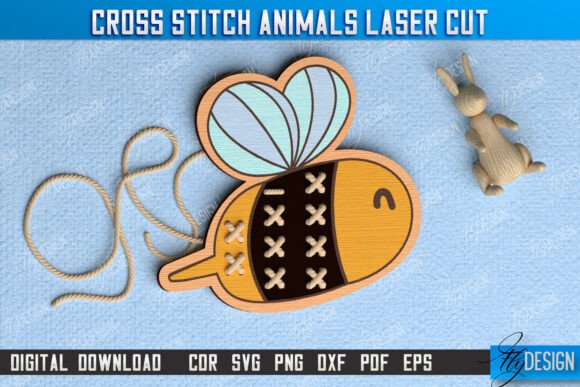
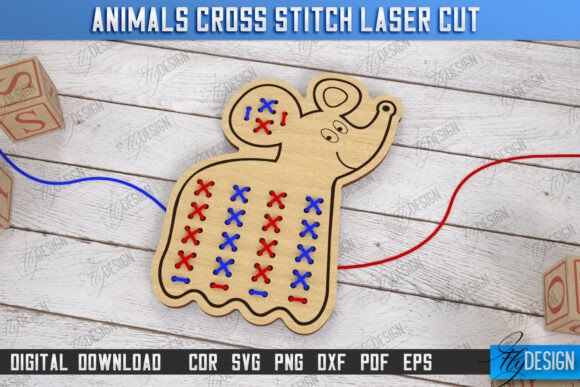
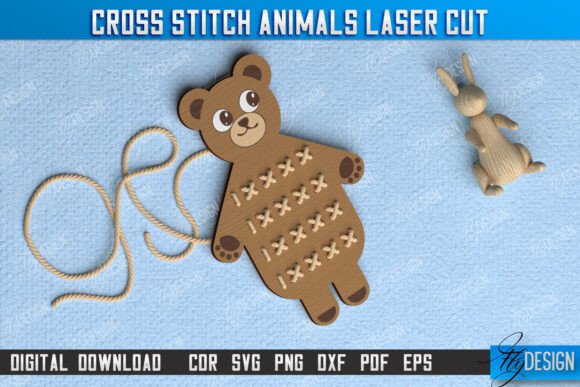
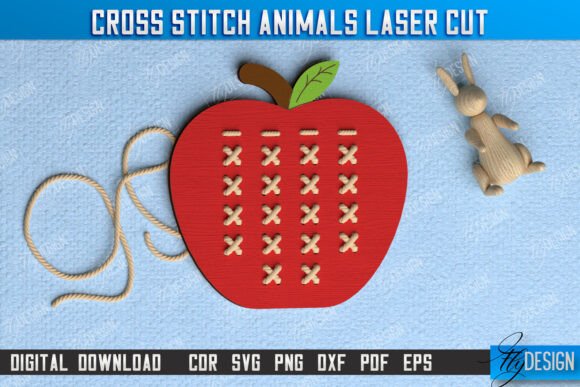
It is important to note the mention of Laser Cutting in the product description. If the file includes cut lines (red) and engrave lines (black), you might be creating a wooden base for the embroidery. A laser-cut wooden frame holding an embroidered cow panel is a high-end commercial embroidery item. This combination of materials elevates the perceived value significantly. It moves the item from a simple textile project to a curated gift set.
Photography and Online Listings
For any digital embroidery file seller or maker, photography is half the battle. Cross Stitch Cow Montessori Lacing offers excellent opportunities for dynamic photos. You can photograph the threading process in action, showing hands engaging with the laces. This demonstrates the Montessori educational value instantly. Close-up shots should highlight the texture of the cross-stitch pattern against the smoothness of the laser-cut wood or the weave of the fabric. Use natural light to enhance the thread colors. Avoid flash, which can create harsh shadows in dense stitch areas.
Production Challenges and Technical Notes
Before committing to a batch run, there are several technical hurdles to clear. As a designer, I always advise testing rigorously.
- Stitch Density and Hoop Size: Cross-stitch patterns can be dense. If the design is large, you need a larger hoop size. Check the digitizing to ensure the underlay stitches are not puckering the fabric. For lacing elements, the fabric must be stable. Using a tear-away stabilizer might cause distortion if the lacing pulls tight. A cut-away stabilizer is often safer for interactive items that will be handled frequently.
- Thread Contrast: The visibility of the cow depends entirely on your thread colors. On a dark fabric, you may need metallic or bright threads to make the cross-stitch pop. On light fabric, traditional embroidery floss colors work well. Always test on the actual fabric you plan to sell. Fabric texture can hide small details, so simplify the design if necessary.
- Laser Cutting Precision: If you are using the red and black line data for a laser cutter, accuracy is paramount. The engraved lines must align perfectly with the embroidered area. Misalignment ruins the professional look. Test the scale of the laser cuts on scrap material first. Wood grain can affect engraving depth, so choose consistent plywood or birch for best results.
- Durability: Lacing involves friction. Threads can wear out. Reinforce the lacing holes with small rings or grommets if possible. Consider using polyester thread instead of cotton for the lacing component, as it is stronger and more resistant to abrasion.
Final Verdict for Craft Fair Sellers
Cross Stitch Cow Montessori Lacing has strong potential as a craft fair product because it combines three powerful trends: rustic aesthetics, educational value, and tactile interaction. It stands out on a crowded table because it invites touch. Unlike a static pillow cover, this item demands participation.
However, success depends on execution. Do not rush to mass-produce. Create a few printable mockup versions to gauge interest, then build physical samples. Pay close attention to the quality of the lacing threads and the stability of the embroidery. If you can deliver a durable, beautiful item that helps a child develop fine motor skills while adding charm to their home, you will have a winner.
Remember to check all licensing terms before selling. Ensure you have the right to use the design assets for commercial purposes. Verify the hoop size requirements and confirm that your machine can handle the specified stitch density. With careful planning, this design can become a staple in your handmade product lineup, appealing to parents, teachers, and anyone who appreciates the warmth of handmade goods.
In summary, treat this not just as an embroidery file, but as a complete product concept. Integrate the laser-cut elements seamlessly with the stitching. Highlight the educational benefits in your marketing. And most importantly, make sure the cow looks adorable and the lacing is easy for little hands to manage. That balance of form and function is what turns a browsing customer into a loyal buyer.