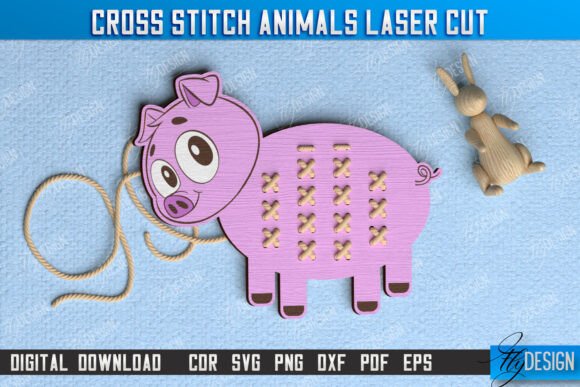
Cross Stitch Pig Montessori Lacing CNC
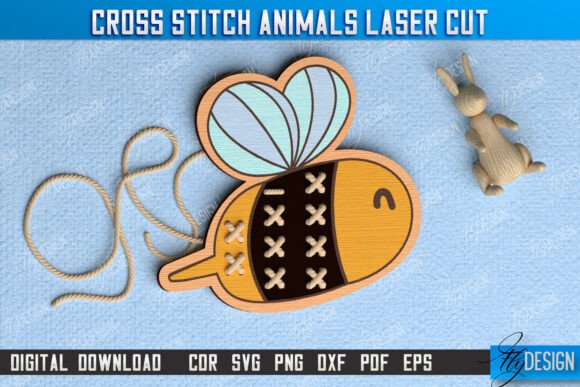
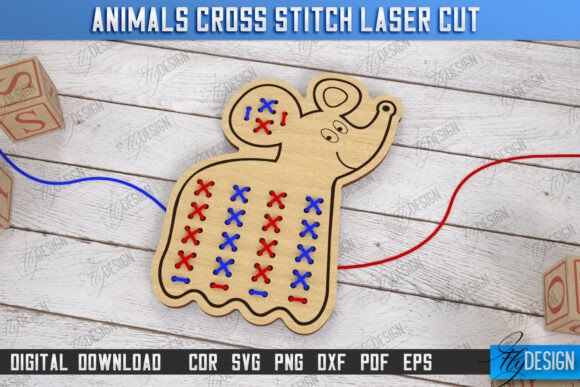
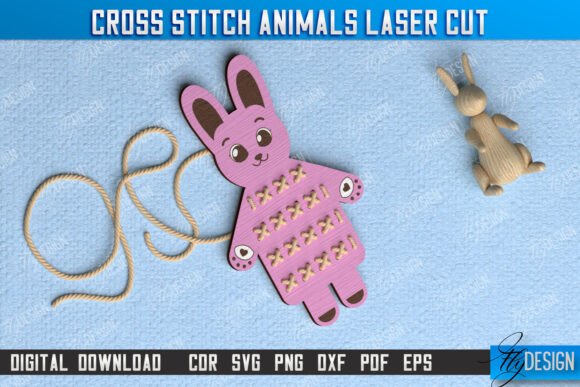
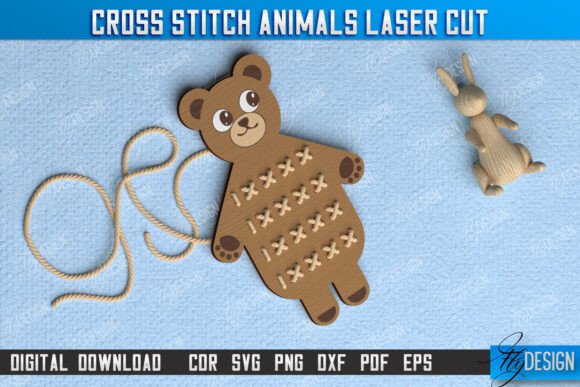
As an embroidery seller who spends a significant amount of time curating designs for my Etsy shop and small boutique collections, I am always on the lookout for that perfect intersection of aesthetic appeal and commercial viability. Recently, I came across a file titled Cross Stitch Pig Montessori Lacing CNC on Creative Fabrica, and it immediately caught my eye. The description notes that this is part of a series involving animals designed for a developing game educational toy, utilizing laser cutting technology where red lines indicate cut paths and black lines indicate engrave paths.
While the title suggests a multi-media project involving both laser cutting and embroidery, for those of us in the digital embroidery space, the visual potential of the "cross stitch" aspect is what matters most. This article serves as a practical evaluation from one seller to another, exploring how this design might fit into your product line, whether you are selling finished goods, printable mockups, or custom apparel.
Visual Personality and Aesthetic Appeal
When evaluating any embroidery file, the first thing I consider is its visual personality. Does it feel cute, premium, rustic, or modern? Based on the title and the concept of a "Montessori lacing" theme, this design leans heavily into the playful and educational categories. It feels approachable, friendly, and distinctly child-friendly without being overly childish or cluttered.
The cross-stitch style itself adds a layer of texture and nostalgia that resonates well with current trends in handmade products. It evokes a sense of craft and care, which is crucial for branding in the personalized gift market. Unlike complex, high-density fills that can look heavy, a cross-stitch outline often appears lighter, airier, and more delicate. This makes it particularly suitable for items like sweatshirt embroidery for toddlers, aprons for little ones helping in the kitchen, or soft baby blankets.
If you are aiming for a boutique merchandise collection that feels modern yet timeless, this pig design offers a charming focal point. It is not just a random animal; the "lacing" aspect implies interactivity, which can be a unique selling proposition if you are creating physical kits or interactive toys alongside standard embroidered goods.
Product Application and Listing Ideas
One of the biggest challenges for an Etsy seller is diversifying their inventory while maintaining a cohesive brand story. This design is versatile enough to support a wide range of product ideas. Here is how I envision integrating this machine embroidery design into my workflow:
- Embroidered Patches: The clean lines typical of cross-stitch patterns translate beautifully to iron-on or sew-on patches. These are high-margin items that appeal to parents looking to personalize backpacks or denim jackets for kids.
- Kitchen Towel Embroidery: There is a growing trend of matching kitchen sets. A cute pig motif works perfectly for a children’s section of a kitchen towel set, adding a touch of whimsy to home decor.
- Tote Bag Design: For craft business owners, canvas totes are a staple. This design would look excellent centered on a tote bag intended for carrying art supplies or books, appealing to the Montessori-minded parent demographic.
- Baby Embroidery: Personalized bibs, burp cloths, and receiving blankets are evergreen sellers. The gentle nature of the cross-stitch style ensures the design does not overwhelm the fabric, making it ideal for sensitive baby skin and delicate garments.
- Seasonal Collections: While pigs are year-round characters, they can be easily integrated into seasonal themes. Think of a "Spring Farm" collection or a playful addition to a fall harvest-themed item.
Furthermore, because the source mentions "CNC" and "Laser Cutting," there is a unique opportunity for hybrid products. If you have access to a laser cutter, you could create wooden puzzle pieces or tags that feature the engraved pig outline, paired with an embroidered patch. This multi-material approach can significantly elevate the perceived value of your finished product.
Buyer-Focused Value and Marketing Potential
From a marketing perspective, understanding why a buyer clicks "Add to Cart" is essential. This design supports several key buyer motivations:
- Giftable Quality: The combination of "educational toy" and "cute animal" makes this inherently giftable. Parents and grandparents are often searching for gifts that are both fun and developmentally appropriate. Highlighting the Montessori connection in your listing titles and descriptions can tap into this specific search intent.
- Professional Appearance: Cross-stitch styles tend to look more intentional and curated than simple single-word scripts. When photographed, these designs read as premium, handcrafted items rather than mass-produced novelties.
- Photography Friendly: The distinct shapes and likely clear outlines make this design easy to photograph. Whether you are creating printable mockups for digital downloads or shooting photos of physical goods for social media previews, the design will stand out clearly against various backgrounds.
- Memorable Branding: For small shop owners, having a recognizable character helps build brand identity. If you plan to release a series of farm animals, this pig becomes the anchor of that collection, encouraging repeat customers who want to collect the whole set.
Practical Seller Notes and Pre-Listing Checklist
Before adding this to your store, there are several technical and logistical steps every experienced seller should take. Relying solely on the product description is rarely enough for a successful launch.
Test Before You Sell: Always run a test stitch-out. Check the stitch density closely. Cross-stitch designs can sometimes suffer from thread breaks if the density is too high or if the underlay is insufficient. Ensure the stitches lie flat and do not pucker the fabric.
Verify Technical Specs: The provided text does not specify the exact hoop size, file formats (e.g., .pes, .dst, .jef), or machine compatibility. You must confirm these details on the Creative Fabrica product page. Knowing the maximum hoop size is critical for determining which products you can actually embroider. For instance, if the design is larger than 4x4 inches, you cannot use it on small accessories like hats or socks without re-hooping, which increases production time.
Thread Color Strategy: Experiment with different thread colors. While the default may suggest white or beige, trying contrasting threads can change the entire vibe of the design. For a farm theme, earth tones work well; for a pop-art look, bright primary colors might be more effective.
Licensing Confirmation: This is perhaps the most important step. Even though the file is available on Creative Fabrica, you must review the specific license agreement. Some licenses allow for unlimited commercial use, while others may restrict the number of physical items you can sell or prohibit certain types of products. Never assume; always read the fine print to protect your craft business from legal issues.
Stabilizer Selection: Depending on the fabric you choose—whether it is a soft jersey for a sweatshirt or a sturdy canvas for a tote bag—you may need different stabilizers. Test your setup to ensure the back of the embroidery looks as clean as the front.
In conclusion, the Cross Stitch Pig Montessori Lacing CNC design offers a compelling blend of charm, utility, and versatility. It fits seamlessly into the current demand for educational, handmade, and personalized items. By taking the time to test the design, verify technical details, and align it with your brand’s aesthetic, you can turn this digital file into a profitable addition to your commercial embroidery catalog. Whether you are using it for standalone embroidered goods or as part of a larger interactive toy line, this pig has the potential to become a bestseller in your shop.