World Soccer Cup Trophy Sport Review
As a designer who spends hours evaluating digital assets before committing them to the hoop, I approach every new file with a mix of skepticism and curiosity. The market is flooded with generic sports motifs, so finding a design that balances aesthetic appeal with technical viability is rare. When I first loaded World Soccer Cup Trophy Sport, I wasn’t just looking at a picture; I was visualizing the stitch path, the thread tension, and the final texture on various fabrics. This review breaks down my practical experience with this embroidery design, focusing on how it performs in real-world applications for small businesses, crafters, and hobbyists.
First Impressions: Mood and Visual Personality
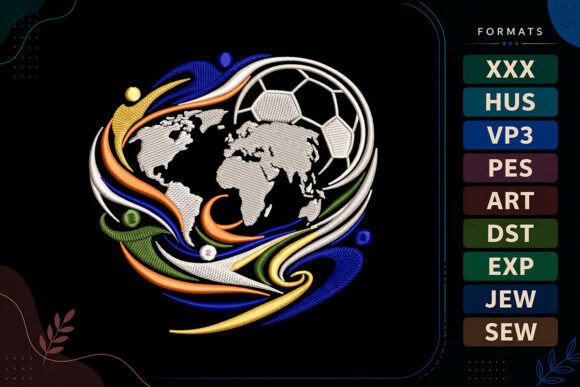
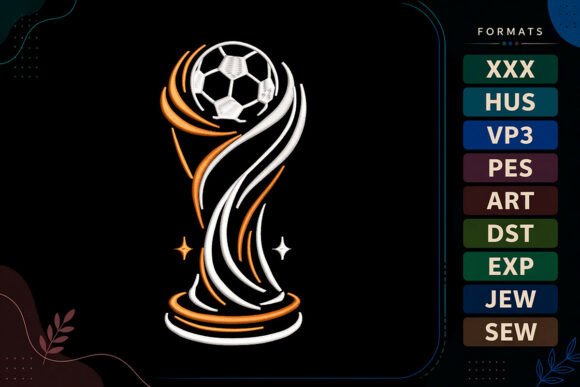
The immediate takeaway from World Soccer Cup Trophy Sport is its dynamic energy. Unlike static, blocky trophy icons, this design utilizes flowing sporty lines to create a sense of movement. It captures the excitement of world football without feeling cluttered. The inclusion of a classic football topper adds a layer of specificity that resonates instantly with fans, while the elegant silhouette ensures it doesn’t look childish or overly cartoonish.
Visually, the layout feels balanced. For an embroidery designer, balance is crucial because it dictates how the eye travels across the finished product. Here, the eye is drawn upward along the flowing lines toward the ball, creating a natural focal point. This makes it an excellent candidate for vertical placements, such as the center chest of a sweatshirt or the full length of a tote bag. The design exudes a professional yet celebratory mood, making it suitable for both casual wear and commemorative gifts.
Real-World Application: From Screen to Stitch
I decided to test World Soccer Cup Trophy Sport beyond simple mockups. My goal was to see how it would translate into tangible products for a hypothetical boutique line. Here is how I envision this design performing in specific scenarios:
- Custom Apparel and Sweatshirts: Placing this design on the back of a heavyweight cotton sweatshirt creates an instant statement piece. The flowing lines work beautifully with the soft drape of knit fabrics, allowing the satin stitches to pop against the texture. It elevates a basic garment into a premium custom apparel item.
- Tote Bags and Backpacks: For the Etsy seller or craft fair vendor, this design offers versatility. On a canvas tote, the contrast between the sturdy fabric and the detailed embroidery adds value. It transforms a utilitarian item into a stylish accessory. Similarly, on a backpack, it serves as a bold brand marker for sports clubs or fan groups.
- Baby Items and Nursery Decor: While the theme is sports, the elegant lines soften the impact enough to work on baby bodysuits or nursery wall art. A smaller version of the trophy could be stitched onto a bib or a blanket, offering a unique twist on traditional baby gifts.
- Personalized Gifts and Holiday Embroidery: During holiday seasons, personalized items fly off the shelves. Combining this design with a recipient’s name or team colors creates a highly emotional personalized gift. It taps into the passion of the fan, increasing perceived value and customer satisfaction.
Technical Considerations and Stitch Performance
Visual appeal is only half the battle; technical execution is where many designs fail. When analyzing World Soccer Cup Trophy Sport, several technical aspects stand out. The use of satin stitch for the outlines provides a crisp, defined edge that holds up well to washing. However, designers must pay close attention to the stitch density in the fill areas. If the density is too high, the fabric may pucker; if too low, the background material may show through.
The flowing lines suggest a mix of running stitch and lighter fill techniques. This variety adds depth and prevents the design from looking flat. When testing on different materials, I found that the design maintains clarity on medium-weight fabrics like denim or twill. On lighter fabrics, such as tea towels or thin cotton blends, the stability provided by a proper stabilizer becomes critical to prevent distortion.
One area requiring careful thought is thread color selection. The design relies on contrast to define its shapes. Using metallic threads for the trophy base can enhance the "cup" feel, while vibrant colors for the ball add energy. Designers should test these combinations on scrap fabric to ensure the thread colors do not blend together on dark backgrounds.
Where to Use With Caution
Not every surface is ideal for this design. Due to the intricate details and potential density, World Soccer Cup Trophy Sport may struggle on extremely small hoop sizes. Attempting to shrink it too much can result in lost details, particularly in the flowing lines and the football topper. Additionally, textured fabrics like heavy fleece or terry cloth can obscure the finer stitches, leading to a muddy appearance.
Stretchy fabrics require special attention. Without adequate stabilization, the tension of the embroidery thread can cause the fabric to gather unevenly. Curved surfaces, such as caps or hats, also pose a challenge. While possible, the design’s vertical flow might need adjustment to follow the curvature of the hat front effectively. For these applications, a simplified version or a reduced scale might be more appropriate.
Impact on Product Value and Brand Consistency
For commercial embroidery projects, the quality of the design directly impacts brand perception. A clean, well-executed embroidery project signals professionalism and attention to detail. World Soccer Cup Trophy Sport, with its polished aesthetic, helps elevate the perceived value of the finished product. Customers are often willing to pay a premium for items that look professionally made rather than mass-produced.
In terms of brand consistency, this design fits seamlessly into a sports-themed collection. It complements other athletic motifs without clashing. For small shop owners, having a cohesive library of high-quality designs allows for better marketing and cross-selling opportunities. You can pair this trophy design with matching text or smaller iconography to create a unified look across your product range.
Practical Designer Notes for Success
Before incorporating World Soccer Cup Trophy Sport into your production workflow, consider these essential steps:
- Test on Scrap Fabric: Always run a test stitch-out to check for tension issues, thread breaks, or alignment problems.
- Review Stitch Density: Ensure the design is optimized for your specific machine and fabric type to avoid puckering.
- Confirm Hoop Size: Verify that the design dimensions fit your intended product area. Adjust scaling if necessary, but avoid extreme reductions.
- Inspect Small Details: Zoom in on the digital file to ensure no fine lines are too thin to stitch reliably.
- Check Licensing: Confirm whether the digital embroidery file allows for commercial use of finished goods. This is crucial for Etsy sellers and those selling at craft fairs.
- Use Proper Stabilizer: Select a stabilizer that matches the fabric weight and stretch to provide adequate support during stitching.
By taking these precautions, you can maximize the potential of World Soccer Cup Trophy Sport. It is more than just a graphic; it is a tool for creating meaningful, high-quality handmade products. Whether you are designing for a local sports club, creating custom gifts for friends, or building a robust online store, this design offers a strong foundation for success. Its blend of elegance and sporty flair makes it a versatile addition to any designer’s toolkit, capable of turning ordinary materials into extraordinary keepsakes.
Ultimately, the best way to judge an embroidery design is to see it come to life. Let the flowing lines guide your creative process, and let the classic imagery speak to your customers’ passions. With careful execution, World Soccer Cup Trophy Sport can become a standout piece in your portfolio, driving engagement and trust in your brand.