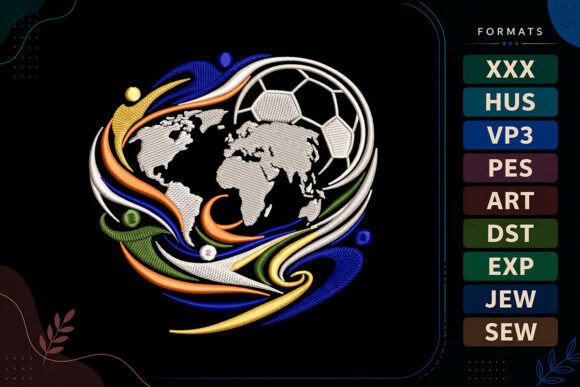
World Soccer Football Cup Design Review
As an embroidery designer who has spent years refining digital files for commercial production, I approach every new design asset with a critical eye. We are not just looking at aesthetics; we are evaluating scalability, stitch integrity, and brand potential. Today, I am reviewing the World Soccer Football Cup design. This piece is marketed as a celebration of the global spirit of football, featuring a globe combined with dynamic player elements and a soccer ball to represent unity. For small business owners, Etsy sellers, and apparel decorators, understanding how this embroidery file translates from screen to fabric is crucial before committing to bulk production.
First Impressions: Visual Personality and Professional Appeal
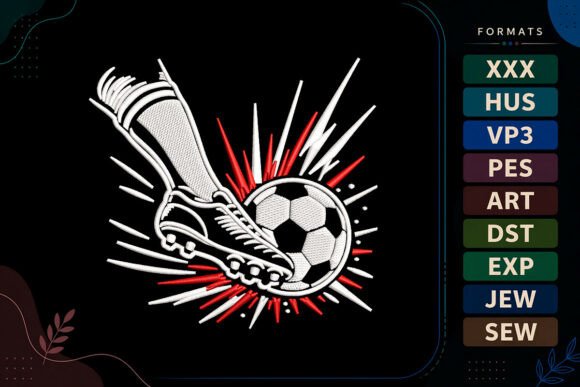
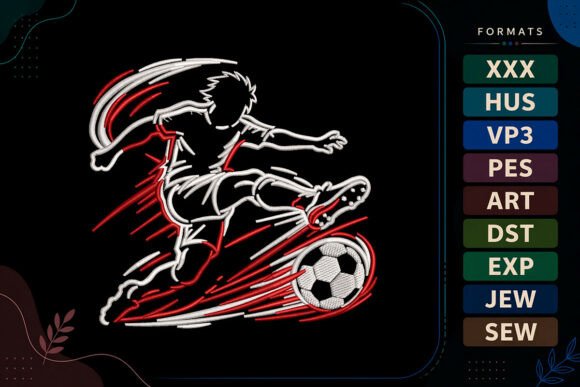
When you first load the World Soccer Football Cup design into your digitizing software, the immediate takeaway is its bold, energetic nature. The combination of a globe and dynamic player silhouettes suggests movement and excitement. In the context of Sports merchandise, this design feels premium yet accessible. It avoids being overly childish or strictly corporate, striking a balance that works well for small business merch ranging from youth teams to adult recreational leagues.
The description highlights "unity," which is visually communicated through the interconnected globe and player figures. From a branding perspective, this makes it an excellent choice for businesses that want to convey community and teamwork. However, the presence of "dynamic player elements" means there is likely significant detail in the stitching. For a handmade product line, this level of detail can elevate the perceived value of the item, provided the execution is clean. It feels modern and classic simultaneously, making it versatile enough for a café’s staff uniforms or a boutique’s event t-shirts.
Real-World Business Applications
The true test of any machine embroidery design is its versatility across different products. Here is how the World Soccer Football Cup performs in common commercial scenarios:
- Embroidered Patches: This design is ideal for creating iron-on or sew-on patches. The globe element provides a strong central anchor, while the player figures add visual interest without requiring excessive background fill. These patches can be used on denim jackets, backpacks, or client gift bags.
- Cap Embroidery: A front-of-cap application is a staple for branded merchandise. The circular nature of the globe often fits well within the curved panel of a baseball cap. Ensure the hoop size accommodates the curvature of the cap front to prevent distortion.
- Apron Embroidery: For bakeries, florists, or creative studios that host workshops, placing this design on the chest pocket of a canvas apron adds a playful yet professional touch. It signals a fun, team-oriented work environment.
- Tote Bag Design: A large tote bag allows the full detail of the digital embroidery file to shine. Use this on sturdy cotton canvas to support the weight of the stitches. It serves as an excellent giveaway at trade shows or craft fairs.
- Custom Apparel: Beyond caps and aprons, this design works on polo shirts and sweatshirts. As a chest logo accent, it reinforces brand identity by associating your business with active, community-focused values.
Strategic Placement and Brand Identity
Using the World Soccer Football Cup strategically impacts customer trust and recognition. When a business uses high-quality embroidered assets, it signals professionalism. Customers perceive the product as more durable and valuable compared to printed alternatives. By integrating this design into your design assets, you create visual consistency across your product line.
Consider the narrative. If you are selling sports gear, this design directly speaks to your niche. If you are a general lifestyle brand, using it for a specific collection (like a summer sale or charity event) can drive engagement. The theme of "unity" resonates emotionally with buyers, fostering a sense of belonging to your brand community. This emotional connection is key to repeat purchases and word-of-mouth referrals.
Where to Exercise Caution
Not every application is suitable for this specific design. As an experienced designer, I advise caution in the following areas:
- Small Patch Sizes: If you plan to produce patches smaller than 2.5 inches, the dynamic player elements may become muddy. Fine details will lose definition, resulting in a blob-like appearance rather than distinct figures.
- High Stitch Density: Designs with intricate outlines and dense fills can be heavy. On lightweight fabrics like thin polyester performance wear, this density can cause puckering. Always check the stitch density relative to your fabric weight.
- Curved Surfaces: While caps are generally fine, highly curved items like beanies or sleeves require careful hooping. Misalignment can ruin the symmetry of the globe.
- Dark Uniforms: If your base garment is dark, ensure the thread colors offer sufficient contrast. Light-colored threads on black fabric can sometimes look washed out if the underlay isn’t robust.
- Frequent Washing: For items that will undergo industrial laundering, such as restaurant aprons or gym kits, verify the durability of the thread colors. Some vibrant hues may fade faster than neutrals.
Practical Embroidery Designer Notes
Before you start printing or embroidering, follow these essential steps to ensure a successful finished product:
- Test in Black and White: Convert the design to grayscale to check contrast levels. This helps identify if the negative space is balanced and if the details will stand out against various fabric colors.
- Check Small Scale Performance: Reduce the design to its smallest intended size (e.g., 2 inches) on your screen. If the player figures blend together, you may need to simplify the digitization or increase the minimum production size.
- Review Thread Color Contrast: Select thread colors that complement the globe and player elements. High contrast between the outline and the fill ensures readability.
- Inspect Spacing: Look closely at the gaps between the globe and the player silhouettes. Tight spacing can lead to needle strikes hitting existing stitches, causing breaks or misalignment.
- Confirm Hoop Size: Ensure your embroidery machine’s hoop can accommodate the maximum dimensions of the design without trimming necessary details.
- Test on Real Fabric: Never skip the sample run. Embroider the design on the actual fabric you intend to use. Observe how the fabric texture interacts with the stitches.
- Use Proper Stabilizer: Heavy designs require stable backing. Use cut-away stabilizer for stretchy knits and tear-away for wovens, depending on the final product’s needs.
- Create a Printable Mockup: Before cutting fabric, generate a printable mockup for client approval. This saves time and materials by catching errors early.
- Compare Design Assets: Place this design beside your other logos to ensure they share a similar visual weight and style. Consistency builds a stronger brand.
- Confirm Commercial Licensing: Most importantly, verify that you have the right to sell products made with this commercial embroidery file. Check the license terms to avoid legal issues.
In conclusion, the World Soccer Football Cup is a strong candidate for businesses looking to add energy and community spirit to their merchandise. With careful attention to scale, fabric compatibility, and licensing, this embroidery file can become a standout asset in your product catalog. Whether used for apron embroidery, tote bag design, or branded caps, it offers a professional finish that customers appreciate. Always prioritize quality control in your production process to maintain the integrity of your brand.