Rubik s Cube Game Embroidery Review
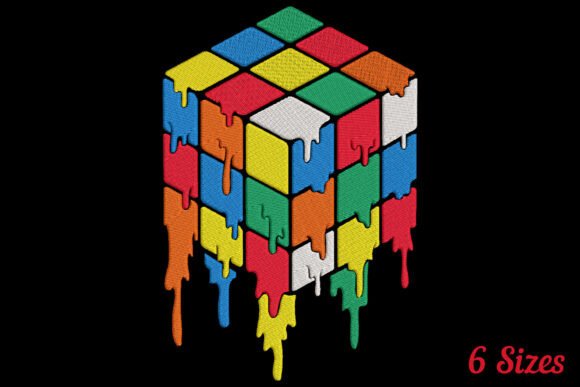
As an embroidery designer who spends countless hours digitizing and testing designs for boutique collections, I am always on the lookout for pieces that offer more than just a standard logo. When browsing Creative Fabrica embroidery options for my latest project—a line of streetwear-inspired hoodies and oversized tees—I stumbled upon the Rubik s Cube Game. This design immediately caught my eye not just for its nostalgic subject matter, but for its unique artistic execution. It is far from a rigid, geometric block; instead, it features a cool, melting paint effect that gives it a distinct, modern edge.
First Impressions: Visual Personality and Mood
The first thing you notice about the Rubik s Cube Game is its attitude. While traditional Rubik’s Cube designs can feel static or overly technical, this version brings a chaotic, artistic energy that aligns perfectly with current trends in youth fashion and urban streetwear. The "melting" aesthetic softens the hard edges of the puzzle, creating a vibe that is both playful and slightly rebellious. It feels premium yet accessible, striking a balance between a high-end art piece and a casual graphic tee print.
For designers looking to add visual personality to their custom apparel, this design offers significant decorative strength. It isn’t minimal, nor is it rustic. Instead, it sits firmly in the trendy, bold category. The color palette implied by the melting effect suggests vibrant contrasts, which makes it an excellent candidate for thread colors that pop against neutral backgrounds. It has a masculine-leaning appeal but is versatile enough to work across gender-neutral collections, making it a strong choice for a diverse boutique brand.
Application on Apparel: From Hoodies to Denim
I envision this design being particularly effective on heavier fabrics where the structure can support the detailed stitching. Here is how I see Rubik s Cube Game performing across various garment types:
- Sweatshirt Embroidery: On a heavyweight cotton blend sweatshirt, the melting effect adds texture that complements the fabric’s warmth. It works beautifully as a central chest placement or even centered on the back for a statement look.
- Hoodie Design: For a hoodie design, placing this on the left chest creates a subtle, branded accent, while a larger back placement transforms the hoodie into a wearable art piece. The contrast against heather grey or black fleece would be stunning.
- T-Shirt Embroidery: On lightweight jersey knits, the design adds a sophisticated touch compared to screen printing. However, care must be taken with stitch density to avoid puckering.
- Denim Jackets: A classic denim jacket provides the perfect rugged canvas for the street-art vibe of this cube. The durability of denim pairs well with the robust nature of machine embroidery.
- Tote Bags: For lifestyle product photos, a canvas tote featuring this design appeals to students and creatives alike, serving as both a functional item and a marketing tool.
Placement Strategies for Maximum Impact
When planning a collection, placement is everything. For sweatshirt embroidery, I recommend centering the design on the front torso for maximum visibility. If you are targeting a younger demographic, consider placing smaller versions on the sleeve cuff or near the hemline for a deconstructed look. The melting effect draws the eye downward, so vertical placements on longline tees can create a flattering silhouette.
For Etsy listings and social media graphics, this design is highly photogenic. The bright, melting colors translate well in digital mockups, allowing potential buyers to visualize the finished product clearly. High-quality printable mockup images featuring this design on neutral backgrounds will help emphasize the vibrancy of the thread work.
Practical Designer Notes: Technical Execution
While the visual appeal is undeniable, translating a digital file into a physical garment requires careful planning. As an experienced designer, I cannot stress enough the importance of technical preparation when using a complex design like Rubik s Cube Game.
- Test on Scrap Fabric: Before committing to your final inventory, always test the design on scrap fabric that matches the weight and stretch of your target garment. This helps you gauge how the "melting" threads interact with the specific weave.
- Stabilizer Choice: Given the likely density of the stitching required for the cube details, a cut-away stabilizer is often necessary for knit fabrics like hoodies to prevent distortion. For wovens like tote bags, tear-away might suffice, but stability is key.
- Thread Color Contrast: Ensure your thread colors provide sufficient contrast against the base fabric. On dark garments, lighter threads may need an underlay to stand out, while on pastel hoodies, darker threads might require a backing to prevent show-through.
- Hoop Size and Density: Confirm the hoop size requirements before production. Large back designs require stable hooping techniques to avoid shifting. Additionally, inspect the stitch density; if the design is too dense for lightweight t-shirts, it may feel stiff and uncomfortable against the skin.
- Fabric Texture: Consider the fabric texture of your base material. Smooth cotton blends will showcase the clean lines of the cube better than heavily textured bouclé or fleece, which might obscure the finer details of the melting effect.
Where to Use Carefully
Not every surface is suitable for this level of detail. Avoid placing this design on small chest areas if the digitization includes fine, intricate details that might become muddy at a tiny scale. Dense stitch areas should be avoided on highly stretchy fabrics without proper stabilization, as the tension can cause the garment to pucker over time. Ribbed fabric around necklines or cuffs is generally unsuitable for large, dense designs like this cube due to the difficulty in maintaining a flat hoop area.
Furthermore, be cautious with curved surfaces. The melting effect relies on a certain flow; distorting it over a shoulder curve or a rounded hat crown may alter the intended artistic vision. Tiny lettering, if included in the design file, should be verified for legibility after stitching, especially on textured materials.
Brand Value and Commercial Potential
Incorporating a unique machine embroidery design like Rubik s Cube Game can significantly enhance your brand identity. It signals to customers that you pay attention to detail and current aesthetics. For an Etsy seller or small shop product owner, this design offers a way to differentiate from competitors who rely on generic clipart-style embroidery.
The design fosters customer engagement because it sparks conversation. It is recognizable yet stylized, making it a great conversation starter in person or online. By ensuring visual consistency in how you present this design—using professional lighting and accurate color representation in your photos—you build buyer trust and reinforce the perception of a professional presentation.
Final Verdict
The Rubik s Cube Game is a versatile, visually striking addition to any commercial embroidery library. Its blend of nostalgia and modern artistry makes it ideal for handmade product creators looking to tap into the streetwear market. Whether you are producing a limited run of boutique brand hoodies or expanding your catalog of digital embroidery files for resale, this design offers strong aesthetic value.
Remember to check the Creative Fabrica product details and licensing terms thoroughly before selling finished apparel. Confirming the specific file formats and any usage restrictions ensures you stay compliant while maximizing your creative output. With proper testing and thoughtful placement, Rubik s Cube Game can elevate your custom apparel projects from simple merchandise to sought-after fashion items.