Mini Football Embroidery Review
As an experienced embroidery designer who has spent years refining digital files for commercial production, I approach every new design asset with a critical eye. It is not enough for a pattern to simply look good on a screen; it must translate flawlessly into thread, hold up under the tension of high-speed machines, and enhance the brand value of the end product. Today, I am reviewing the Mini Football machine embroidery design. This sports-themed file promises to bring excitement to creative projects, but does it deliver the professional polish required for small business merchandise, branded patches, and custom apparel?
First Impressions: Visual Personality and Brand Fit
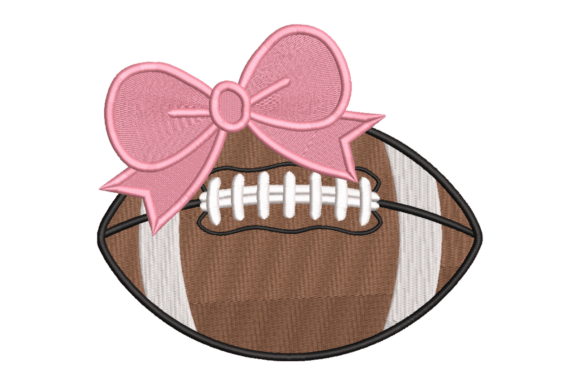
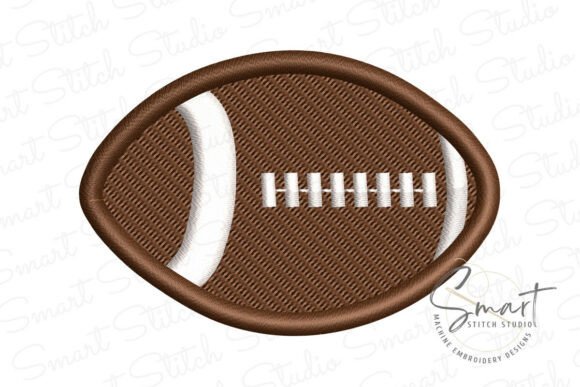
The initial assessment of any embroidery file begins with its visual personality. Based on the description of the Mini Football as a "fun, sporty, and versatile" pattern featuring a classic shape, my first impression is one of approachable energy. In the world of brand identity, this design leans heavily toward playful, modern, and friendly rather than elegant or rustic. It feels handmade yet precise, which is a sweet spot for many contemporary brands.
For small business owners, particularly those in the lifestyle, food, or retail sectors, this versatility is crucial. A design that is too ornate can feel cluttered, while one that is too simple may lack character. The Mini Football strikes a balance. It suggests movement and enthusiasm without being overly aggressive. This makes it an excellent candidate for businesses that want to convey activity, community, or leisure. Whether you are running a local café, a boutique fitness studio, or a handmade craft shop, this design adds a touch of spirited professionalism to your visual assets.
Real-World Business Applications
Let us move beyond the aesthetic and discuss practical utility. How does this design perform when applied to actual products? In my experience, the success of a commercial embroidery project often hinges on how well the design integrates with the item’s function and target audience.
- Branded Patches: The Mini Football is ideally suited for iron-on or sew-on patches. Its compact nature allows it to serve as a distinctive badge on denim jackets, backpacks, or tool belts. For a small business selling custom accessories, this design offers a high perceived value at a low production cost.
- Staff Uniforms and Aprons: Imagine a coffee roastery or a bakery where staff wear black aprons. A subtle, embroidered football accent on the chest pocket or sleeve can humanize the uniform, suggesting a relaxed, welcoming atmosphere. It transforms standard workwear into a branded experience.
- Caps and Headwear: Cap embroidery requires designs that are legible from a distance and fit within the curved canvas of the front panel. The classic football shape is naturally balanced, making it a strong choice for cap embroidery. It works well as a standalone logo or paired with minimal text.
- Tote Bags and Product Packaging: For Etsy sellers and crafters, tote bag design is a staple. An embroidered patch featuring this motif adds a tactile element that printed designs cannot replicate. It elevates the unboxing experience, signaling quality and attention to detail to the customer.
- Event Merchandise: Local marathons, charity 5Ks, or corporate team-building events often require affordable yet memorable giveaways. This design provides a thematic link to sports and health without being tied to a specific team, avoiding copyright issues while still feeling relevant.
Strategic Placement and Brand Identity
When integrating the Mini Football into your product line, consider how it affects customer trust and recognition. Consistency is key. If your brand voice is energetic and community-focused, this design reinforces that message visually. However, if your brand is luxury or minimalist, this playful motif might clash with your established aesthetic.
The design serves as a powerful tool for handmade product presentation. Customers today associate high-quality embroidery with durability and care. By using this design on items like custom apparel or client gifts, you signal that you invest in quality materials. This directly impacts buyer engagement, as tangible proof of craftsmanship often justifies premium pricing.
Design Limitations and Areas of Caution
No design is perfect for every application. As a designer, I must highlight where the Mini Football might face challenges in production.
Small Patch Sizes: While the design is described as "detailed," fine details often get lost when scaled down. If you plan to use this on very small patches (under two inches), ensure the outlines are thick enough to register clearly on the fabric. Thin lines may merge together during stitching, creating a muddy appearance.
Curved Surfaces: Embroidering on caps or curved tote bags requires careful hooping. Designs with sharp angles or complex curves can distort if the fabric is not stabilized properly. The football shape is generally forgiving, but test hooping is essential to prevent puckering.
High Stitch Density: If the file has a high stitch density, it may become stiff and uncomfortable on wearable items like t-shirts or lightweight aprons. For garments that need to remain soft and breathable, a lighter fill stitch or satin stitch variation is preferable. Check the stitch count before committing to large runs.
Fabric Texture and Color: Dark uniforms or textured fabrics like heavy canvas can obscure lighter thread colors. Always choose high-contrast thread combinations. Additionally, items that undergo frequent washing, such as gym bags or sports jerseys, require durable stitching techniques to prevent thread breakage or fading.
Practical Designer Notes for Production
Before incorporating the Mini Football into your inventory, follow these technical steps to ensure a flawless finished product.
- Test in Black and White: Convert the design to monochrome to check contrast and spacing. This helps identify areas where stitches may be too close together or where negative space is insufficient.
- Check Hoop Size: Confirm that the design fits comfortably within your standard hoop sizes. If the design is larger than your typical hoop, you will need to rehoop, which increases production time and risk of misalignment.
- Review Thread Color Contrast: Select threads that pop against your target fabric. Use a stabilizer appropriate for the fabric weight—cut-away for stretchy knits and tear-away for wovens—to maintain stability during stitching.
- Create a Printable Mockup: Before sewing, create a digital mockup to visualize the design on your actual product. This allows you to assess scale and placement relative to other branding elements.
- Confirm Commercial Licensing: Ensure you have the proper rights to use this digital embroidery file for commercial purposes. Verify if there are restrictions on the number of units you can produce or if attribution is required.
- Inspect Spacing and Density: Zoom in on the digitized file to inspect the spacing between elements. Tight spacing can cause needle breaks, while loose spacing can lead to thread tangling.
Final Verdict
The Mini Football is a robust addition to any design assets library aimed at the sports, lifestyle, or general retail market. Its classic shape and versatile appeal make it suitable for a wide range of applications, from apron embroidery to branded merchandise. However, success depends on proper execution. By paying attention to stitch density, fabric choice, and licensing, small business owners can leverage this design to enhance their brand identity and drive sales.
Remember to always test on real fabric before mass production. A single poorly stitched sample can damage customer trust, while a perfectly executed piece can turn a casual buyer into a loyal advocate. If you are looking to add a touch of sporty flair to your small business merch, the Mini Football is a strong contender—provided you respect its technical requirements.