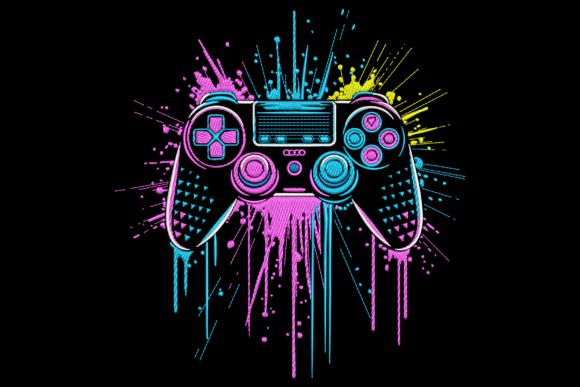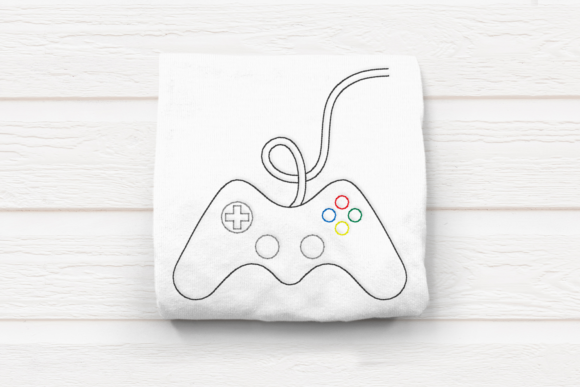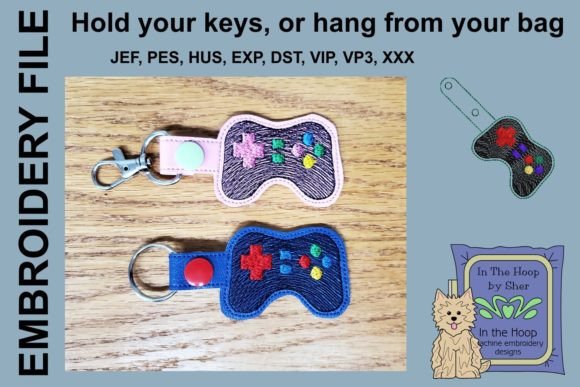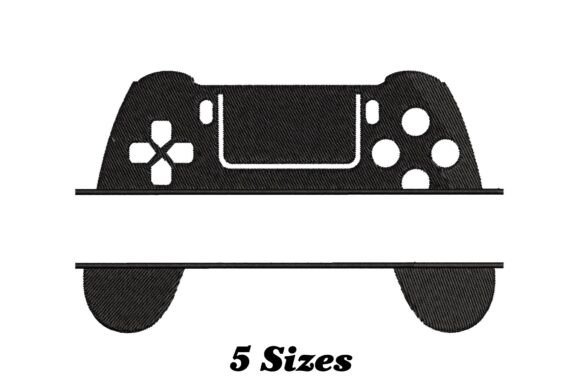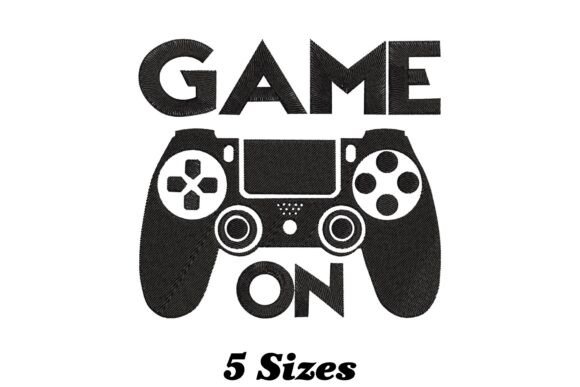
Game On Embroidery Design Review
If you are prepping for a busy weekend at the craft fair, you know that your booth display needs to stop people in their tracks. As an embroidery designer who has spent years turning digital files into tangible products, I look at every new design with one question: Will this sell? Today, I am reviewing Game on, a trendy machine embroidery design described as adding a "dash of character" and a "cheerful and artistic touch." While the category lists it under Games Leisure, my focus is on its viability as a craft fair product and a staple for your Etsy seller inventory.
First Impressions: The Vibe Check
The title Game on immediately suggests energy, competition, and fun. When I first visualized this design, I didn’t think of delicate florals or minimalist farmhouse script. Instead, I imagined something bold, modern, and perhaps a bit playful. For a handmade market, personality is currency. A design that feels cheerful and artistic stands out against the sea of generic patterns.
In a physical setting, customers often judge a product by its texture and color before they even read the price tag. This design promises to enhance fabrics with character, which means it likely relies on strong contrast and clear shapes. It feels like a design that works well for gift-giving occasions, sports-themed parties, or simply as a spirited addition to everyday items. It strikes a balance between decorative and functional, making it versatile enough for various handmade products.
Product Applications: Where Game On Shines
To determine the best use for this embroidery file, we need to look at where it fits in a typical maker’s lineup. Here is how Game on performs across different commercial embroidery categories:
- Tote Bag Design Potential: Canvas tote bags are the bread and butter of craft fairs. A bold Game on placement on the front panel of a sturdy canvas bag creates an instant statement piece. It appeals to students, shoppers, and anyone looking for a durable, stylish accessory. The design’s cheerful nature makes it highly giftable.
- Apron Embroidery: Kitchen wear is a massive seller. Placing this design on a white or neutral linen apron adds a pop of fun to cooking. However, ensure the design isn’t too large, or it might overwhelm the fabric. A centered chest placement works best for a professional look.
- Tea Towel Embroidery: Linen tea towels are low-cost items with high perceived value. If the design allows for a smaller, compact layout, it can be repeated along the hem of multiple towels. This is excellent for batch production, allowing you to create a cohesive set that looks great on a rack.
- Embroidered Patch Strategy: One of the most profitable ways to use this design is to digitize it as a detachable patch. You can sew these onto plain denim jackets, backpacks, or beanies. Patches allow customers to customize their own gear, increasing engagement at your booth.
- Caps and Headwear: Structured caps provide a curved surface that can challenge some designs. If Game on has clean lines and avoids overly thin details, it will stitch beautifully on a baseball cap brim or crown, appealing to sports fans and casual fashion lovers alike.
Production Practicality and Quality Control
As a designer, I don’t just guess; I test. Before committing to a full run of small shop product inventory, you must evaluate the technical aspects of the file. The description mentions it is ideal for t-shirts and home decor, but the devil is in the stitching.
Stitch Density and Clarity: Check the stitch density carefully. If the design includes tiny text or intricate internal details, it may lose clarity when embroidered on textured fabrics like terry cloth towels or thick denim. Dense areas can cause puckering if not backed correctly. Always inspect the design for any small lettering that might become illegible at reduced sizes.
Fabric Texture and Thread Contrast: The success of this design hinges on thread colors. Because it aims for a "cheerful" look, it likely uses vibrant threads. Test these against your chosen fabric colors. On dark fabrics, you may need an additional layer of stabilizer or a light underlay to prevent the thread from sinking into the weave. Conversely, on light fabrics, ensure the design doesn’t look washed out.
Hoop Size and Spacing: Confirm the recommended hoop size. If the design is large, it may require a multi-hooping process, which increases production time and the risk of misalignment. For efficient batch production, a design that fits comfortably within a standard 4x4 or 5x7 inch hoop is often preferable unless you have specialized equipment.
Selling Points and Visual Appeal
When displaying your finished product at a market, visual appeal drives sales. Game on offers several advantages in this regard:
- Customer Attention: The phrase "Game on" is energetic. It catches the eye and invites interaction. Customers might ask, "Is this for a specific sport?" or "Do you have this in other colors?" This opens up conversation, which is key to closing a sale.
- Brand Consistency: If your brand focuses on fun, creative, and uplifting items, this design aligns perfectly. It reinforces a brand identity that values joy and activity.
- Photography and Mockups: For your online listings, this design photographs well because it is likely colorful and distinct. Create a printable mockup showing the design on a variety of items—a tote bag next to a coffee cup, or an apron in a bright kitchen. This helps buyers visualize the item in their own lives.
Important Considerations for Sellers
Before you start producing, keep these practical notes in mind:
- Test on Scrap Fabric: Never assume a design will work on all materials. Run a test stitch-out on the exact fabric you plan to sell. Check for stability, color vibrancy, and detail retention.
- Use the Right Stabilizer: Heavy designs on lightweight fabrics require cut-away stabilizer. Lighter designs on stable cottons may only need tear-away. Using the wrong stabilizer can ruin the hand-feel of your product.
- Commercial Licensing: Verify the digital embroidery file license terms. Ensure you are permitted to sell finished goods made from this design. Some licenses restrict commercial use or require additional fees.
- Design Assets: Keep your source files organized. Having access to the original design assets allows you to resize or adjust colors for future projects without starting from scratch.
Final Verdict
Game on appears to be a solid addition to any embroiderer’s catalog, particularly for those targeting the gift and lifestyle markets. Its cheerful tone and versatility make it suitable for a wide range of handmade products, from practical kitchen items to fashionable accessories. By paying close attention to production details like thread colors, stabilizer choice, and fabric compatibility, you can turn this digital file into a best-selling craft fair product.
Remember, the best embroidery designs are not just about aesthetics; they are about creating a tangible experience for the customer. With proper execution, Game on can add that dash of character your customers are looking for, helping your booth stand out and your sales soar.