Game Day Embroidery Design Review
As an embroidery designer who has spent years refining the balance between aesthetic appeal and technical precision, I approach every new digital asset with a critical eye. When evaluating a design for a boutique sweatshirt collection, we are not just looking at the visual; we are assessing its potential to elevate a brand, withstand the wear of daily life, and connect emotionally with the wearer. Today, I am reviewing the Game Day machine embroidery design, specifically focusing on its application for a premium athletic-inspired apparel line.
First Impressions and Aesthetic Mood
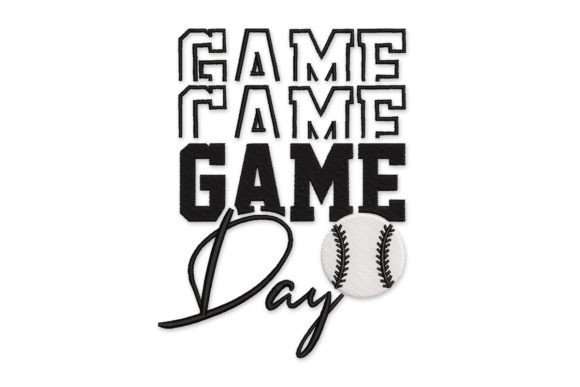
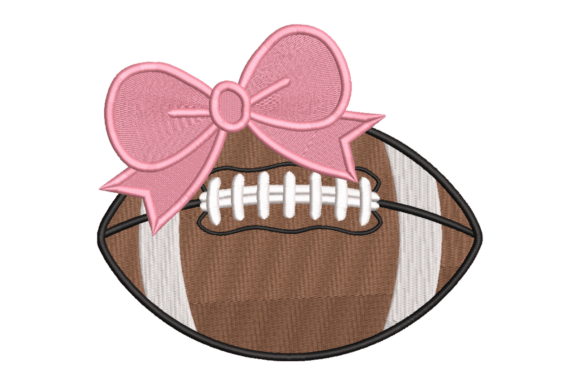
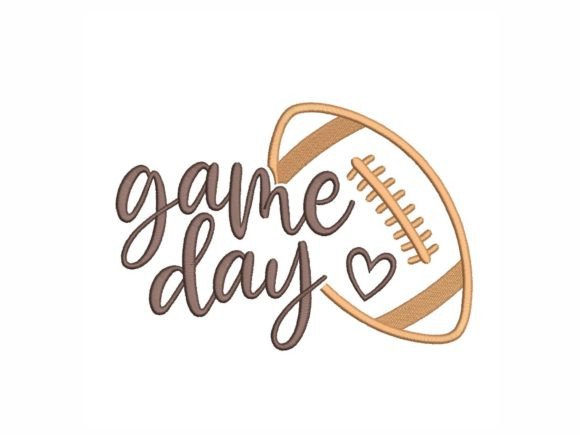
The title "Game Day" suggests energy, anticipation, and community. Upon initial inspection of this American Football Ball design, the immediate mood is one of bold nostalgia mixed with modern sportswear trends. For a small boutique brand or an Etsy seller looking to tap into the seasonal sports market, this design offers a versatile foundation. It is not overly intricate in a way that might feel cluttered on thick fabric, nor is it so minimal that it loses impact. Instead, it strikes a balance that feels both playful and decorative.
The layout of the football motif is central and commanding. This makes it an excellent candidate for chest placement on hoodies or back designs on oversized tees. The stitching personality appears robust, which is crucial for maintaining the integrity of the image when transferred to textured fabrics like fleece or heavy cotton blends. It feels strong enough for commercial embroidery use, yet retains a handmade charm that resonates with customers seeking unique, artisanal products rather than mass-produced merchandise.
Application on Premium Sweatshirts and Hoodies
Sweatshirt embroidery presents unique challenges due to fabric thickness and texture. When planning a limited drop for a small online shop, the choice of garment color significantly influences how the Game Day design will read. On neutral sweatshirts—think heather grey, oatmeal, or cream—the design will pop with clarity, allowing the thread colors to stand out without competing with a busy background. This is ideal for creating a clean, modern look that appeals to a broad audience.
For darker fabrics, such as charcoal or navy, the contrast becomes even more dramatic. However, designers must be cautious about stitch density here. If the design relies heavily on fine details, dark backgrounds can sometimes swallow up lighter threads. In this case, the bold nature of the football shape works in our favor. It ensures that the silhouette remains distinct even on deeper hues. Pastel-colored hoodies offer another exciting avenue; pairing the classic sports imagery with soft pinks, mint greens, or lavenders creates a juxtaposition that feels fresh, feminine, and highly shareable on social media platforms.
Oversized hoodies are currently dominating the streetwear scene. Placing the Game Day design on the left chest area provides a subtle branding element, while a larger version on the back can serve as a statement piece. This versatility allows boutique owners to create cohesive collections where the same design asset can be used across different product types, from cozy seasonal apparel to lightweight spring jackets.
Technical Considerations for Commercial Success
Beyond aesthetics, the success of any embroidery file depends on its technical execution. When preparing for production, several practical concerns must be addressed to ensure the finished product meets high standards.
- Thread Color Contrast: Selecting the right thread palette is paramount. For a football design, traditional leather tones paired with white laces work well, but experimenting with metallic or neon accent threads can give the design a contemporary twist suitable for younger demographics.
- Stitch Density and Fabric Texture: Thick fabrics require adequate underlay and fill stitches to prevent the fabric from showing through or the design from puckering. Designers should verify that the stitch density is optimized for heavy materials like French terry or fleece.
- Stabilizer Choice: Using the correct stabilizer is non-negotiable for sweatshirt embroidery. A cut-away stabilizer is often recommended for knit fabrics to provide long-term support and prevent distortion after washing.
- Hoop Placement and Readability: Ensure the design fits comfortably within standard hoop sizes while allowing for proper edge-to-edge spacing. Small-size readability is also key; if the design is scaled down for sleeves or bags, details must remain crisp.
- Washing Durability: Commercial apparel must endure frequent laundering. The structural integrity of the embroidery should hold up over time, maintaining its shape and color vibrancy.
Note: As specific technical specifications such as exact stitch count, file format compatibility, and precise hoop size are not detailed in the product description, it is essential to check these details before production. Always test print a printable mockup or run a sample on your actual garment fabric to confirm fit and finish.
Brand Identity and Market Positioning
In the crowded marketplace of digital sellers and handmade business owners, visual recognition is a powerful tool. A well-executed Game Day design contributes significantly to brand identity. It signals quality and attention to detail, which builds buyer trust. When customers see a professionally embroidered logo or graphic on a premium sweatshirt, they perceive higher value in the product.
This perception translates directly into customer engagement. High-quality visuals for Etsy listings and social media campaigns can drive traffic and conversions. By showcasing the texture and depth of the embroidery in lifestyle product photography, you highlight the tactile nature of the handmade product. This connects emotionally with buyers who appreciate the craftsmanship behind their apparel.
Expanding Beyond Apparel
While sweatshirts are a primary focus, the versatility of this design allows for expansion into other categories. The Game Day motif can be adapted for players' equipment tags, durable tote bags, or even home decor items like throw pillows. This multi-use capability maximizes the return on investment for the digital embroidery file, allowing creators to diversify their inventory without needing to source entirely new design assets.
For custom apparel services, offering this design as a customizable option—where clients can choose their own thread colors and base garments—adds a layer of personalization that is highly valued. It transforms a simple graphic into a bespoke item, fostering a stronger connection between the maker and the end-user.
Conclusion
The Game Day embroidery design is a solid addition to any designer’s library, particularly for those targeting the sports and casual wear markets. Its bold aesthetic, combined with technical viability for various fabric types, makes it a reliable choice for boutique brands and independent sellers. By paying close attention to thread selection, stabilizer usage, and presentation, creators can leverage this design to produce high-quality, desirable apparel that stands out in a competitive landscape. Remember to verify all technical specifications prior to large-scale production to ensure every finished product reflects the premium quality your brand promises.